Rogers Public Schools is looking into switching high school students to a block schedule, a move that would shift how teenagers spend their days between 8 a.m. and 3 p.m. Under the proposed model, students would take fewer classes each day but stay in each class for longer periods—typically around 90 minutes instead of the current 50-minute chunks.
The idea isn’t new to Arkansas, but it’s gaining fresh attention in Rogers as district leaders weigh whether the change could help with everything from student engagement to teacher workload. The switch would mean that instead of rotating through six or seven classes daily, students might only see four. Classes would alternate every other day, with one group taking core subjects on Monday/Wednesday/Friday and another set on Tuesday/Thursday.
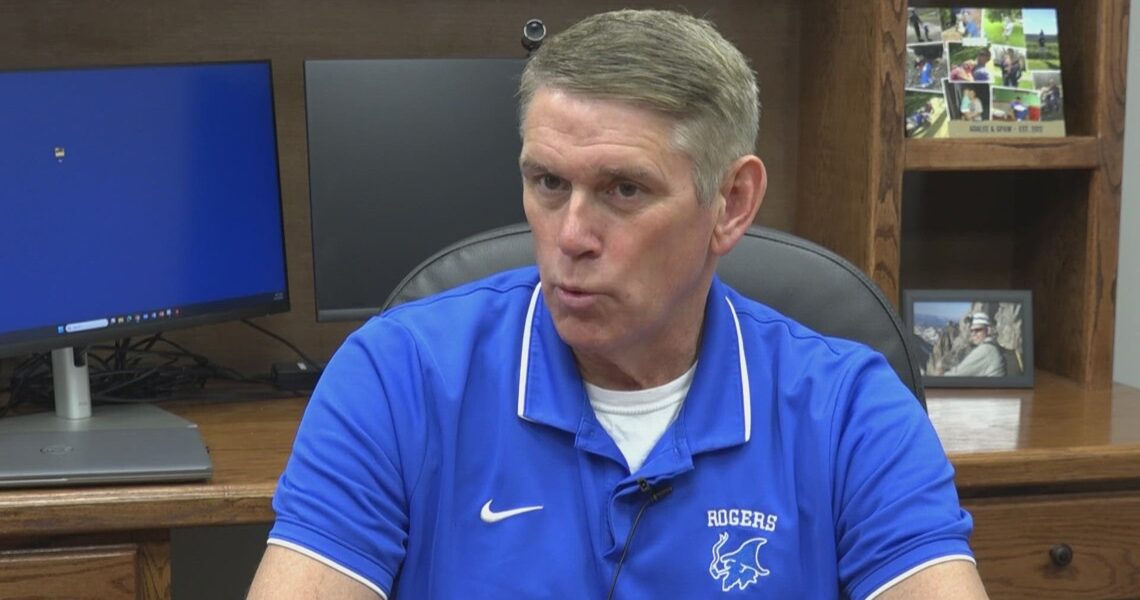
“We’re looking at this through the lens of what best supports learning,” said Dr. Julie Davis, superintendent of Rogers Public Schools. “We know kids are coming to us with different needs than they did 10 years ago.”
The potential shift has sparked conversations among parents and teachers alike. Some see it as a way to reduce transition time between classes and allow for deeper dives into material. Others worry about how it might affect athletics, part-time jobs, or even bus schedules.
What’s driving the change?
District officials say several factors are behind the exploration. For one, many colleges and universities already use a block-style format. Getting students used to longer class periods could better prepare them for post-secondary life. There’s also evidence suggesting that extended learning blocks can improve focus and retention—especially in subjects like science labs or project-based courses where more time equals more hands-on experience.
Another consideration? Teacher planning. With fewer classes to prep for each day, educators might get longer stretches of uninterrupted planning time. That’s something that doesn’t happen often under the current system, especially for teachers juggling multiple preps across grade levels.
Still, no decision has been made yet. The district plans to gather feedback from students, staff, and families before moving forward. A committee made up of high school teachers, counselors, and administrators is expected to present findings to the Rogers School Board later this fall.
Some nearby districts have already made the leap. Bentonville Schools adopted a modified block schedule a few years back, and early data shows mixed results—higher engagement in some areas, scheduling challenges in others. Still, it’s not a one-size-fits-all model, and Rogers leaders are being deliberate about studying what would work locally.
One thing is clear: any major schedule change would ripple through the community. Athletics, for example, rely heavily on after-school availability. If students are only in school half the week for certain classes, practice times may need to shift. And for working families, coordinating childcare or pickup routines could get more complicated.
Next steps
For now, the conversation is open. Rogers Public Schools is collecting input via an online survey open to anyone in the district. You can find it on the district website. Whether you’re a parent trying to figure out carpool logistics or a student wondering if you’ll finally have enough time to finish that lab without rushing, your voice matters in shaping what comes next.
If approved, any changes wouldn’t roll out until the 2025–2026 school year, giving the district time to adjust bell schedules, transportation routes, and course catalogs accordingly.
Source: 5News KFSM