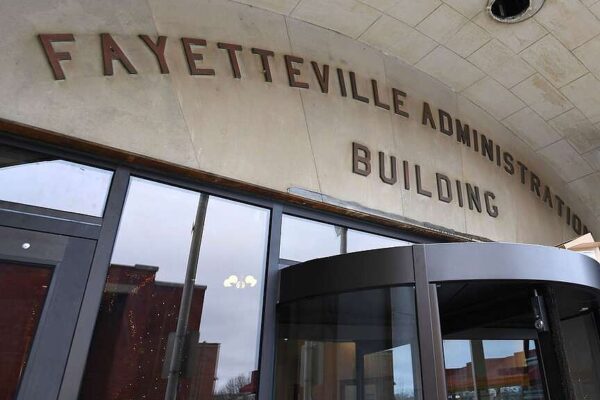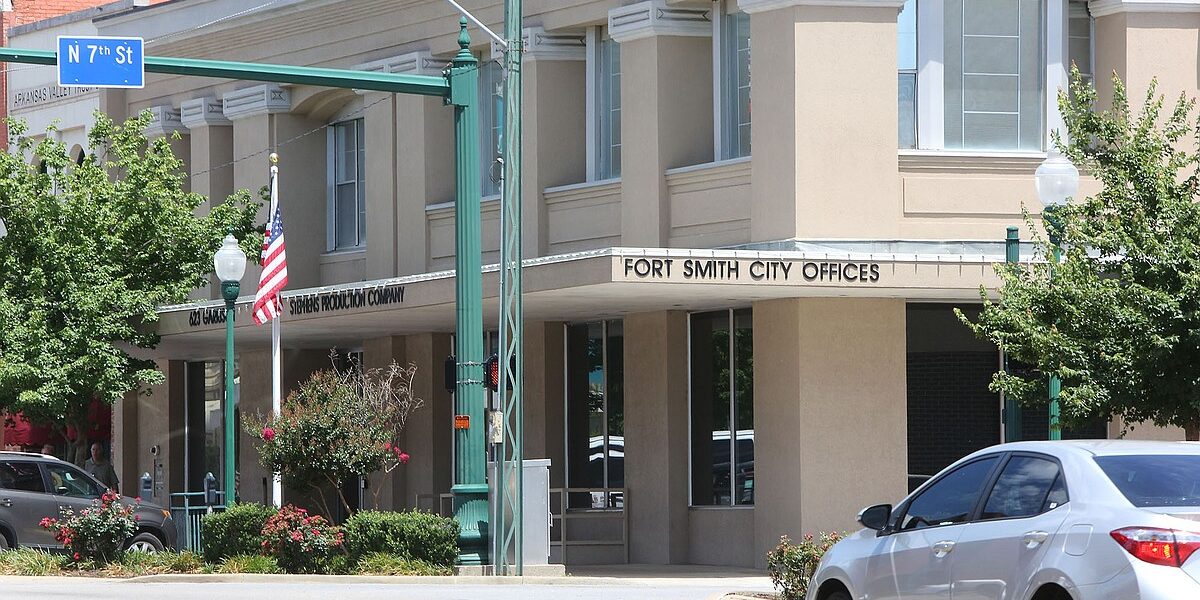
Fort Smith voters might soon decide whether to overhaul how their city is run — a rare move in Arkansas that’s drawing attention across Northwest Arkansas.
The idea of switching Fort Smith’s form of government from its current mayor-council system to a city manager model has been simmering for months, prompted by a petition that gathered enough signatures to place the question on a future ballot. But here’s the catch: city leaders say the petition doesn’t meet legal requirements to trigger a vote. That means the issue may not make it to the ballot unless supporters relaunch their campaign with a tighter focus on state law.
Changing how a city operates is no small thing. It’s not like swapping out a logo or rebranding a program. In Fort Smith’s case, the shift would mean removing the mayor’s administrative powers and placing them in the hands of a professional city manager — a move proponents say would bring more efficiency and less politics to daily operations. Opponents argue it distances decision-making from voters.
What makes this debate stand out is that it’s bubbling up from the community, not being pushed by elected officials. That grassroots energy is unusual, especially for something as structural as city government. In a region where local politics can feel dominated by personalities and long-standing alliances, the push for a government overhaul suggests a deeper restlessness among some residents.
Fort Smith, with a population of around 90,000, is Arkansas’s second-largest city and a major hub in the western part of the state. While it technically sits outside Northwest Arkansas, it’s close enough that decisions there often ripple into NWA, especially in areas like economic development, transportation, and regional planning. How Fort Smith governs itself could influence how it collaborates with neighboring cities and counties, including Benton and Washington counties, which are central to NWA’s rapid growth.
What’s at stake
The core of the debate hinges on how much direct control residents want over city operations. Under the current system, the mayor has significant executive authority. A switch to a city manager model would shift that power to an appointed professional, with the mayor and city council focused more on policy than day-to-day administration.
Supporters say this setup reduces cronyism and allows for more strategic planning — something that could benefit Fort Smith as it continues to grow and attract businesses. Critics worry it creates a layer of bureaucracy that makes government less accountable to voters.
The petition effort, while earnest, ran into legal roadblocks. City Attorney Scott Busby reviewed the paperwork and concluded that it didn’t align with Arkansas law, which requires specific language and structure for such ballot initiatives. That doesn’t kill the idea, but it does mean organizers would need to start over with a corrected petition if they want to give voters a choice.
Grassroots campaigns like this one often reflect broader trends in civic engagement. In NWA, we’ve seen similar energy around school board races, regional transportation funding, and even local events like the Walmart AMP concert series. People want a say — and when they don’t feel heard through traditional channels, they look for other ways to make their voices count.
Fort Smith’s situation is worth watching, not just because of what it could mean for that city, but because it raises questions relevant to communities across NWA. As cities grow and evolve, so do the ways they’re governed. The challenge is making sure those changes reflect what residents actually want — not just the preferences of a few, but the informed will of the many.
Source: NWA Democrat Gazette