Northwest Arkansas faces a need for over $1 billion in sewer system improvements, according to a study officials said Wednesday is underway to address the region’s expanding wastewater treatment demands.
The study was discussed by local public works leaders, including James Boston, the Decatur Public Works Director, who highlighted the scope of infrastructure challenges as population growth and development continue to pressure existing treatment plants and sewer lines across Benton and Washington counties.
Watershed experts and municipal officials agree that the region’s current wastewater management infrastructure requires significant investment to maintain regulatory compliance and meet future capacity requirements. The exact dollar figure exceeds $1 billion but will be refined upon the study’s completion, which aims to map priority projects and explore funding mechanisms.
Northwest Arkansas has grown rapidly over the past decade, driven by corporate expansions and a rising residential population concentrated in Springdale, Bentonville, Rogers, and Fayetteville. This growth strains sewer systems originally designed for much smaller populations. Failure to upgrade the aging and undersized infrastructure raises risks of treatment failures, environmental violations, and public health concerns.
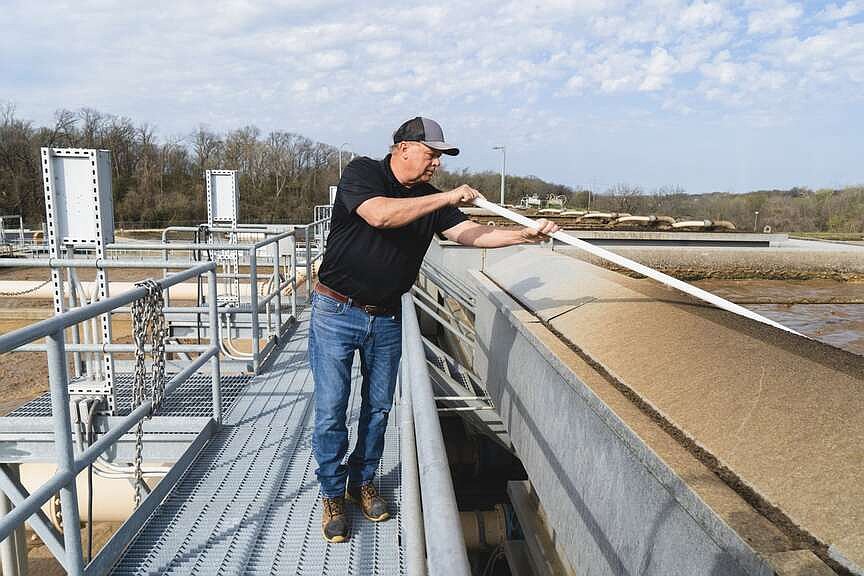
Decatur’s wastewater treatment facility exemplifies the pressure on local utilities. James Boston noted that water samples regularly require testing to ensure treatment quality as the plant operates near capacity. Similar challenges face other municipalities throughout the region.
Officials have emphasized the urgency of the study as state and federal regulatory agencies increase scrutiny on wastewater systems. Meeting stricter environmental standards will require not only system expansion but also upgrades to improve treatment efficacy and reduce pollutant discharges into waterways such as the White River and its tributaries.
The forthcoming study will help local governments, utility districts, and regional planners coordinate capital projects and identify funding sources. Potential funding could come from municipal bonds, state grants, federal programs like the Clean Water State Revolving Fund, or public-private partnerships. However, assembling a sustainable financing structure that limits rate shock for residents remains a key challenge.
Northwest Arkansas is not unique in grappling with wastewater infrastructure investments amid rapid growth, but the scale of upgrades here is significant given the volume of new housing developments, commercial projects, and industrial facilities, including major employers in the region. As local officials weigh the long-term costs, they also consider the infrastructure’s role in supporting continued economic development and protecting water quality.
Community stakeholders, including residents and business leaders, will have opportunities to provide input once the study releases detailed recommendations. Public engagement will be critical in setting priorities and balancing development needs with affordability concerns.
This sewer infrastructure study aligns with broader regional planning efforts, such as the Northwest Arkansas Commission’s ongoing work to address transportation and environmental challenges alongside growth management. A coordinated approach across utilities, municipalities, and counties is seen as essential to managing the region’s expanding urban footprint responsibly.
The $1 billion-plus investment projection underscores the scale of infrastructure renewal required to sustain Northwest Arkansas’s development and environmental health. Officials expect the study’s findings to launch substantive conversations around funding strategies, project timelines, and regulatory compliance measures in the coming months.
Source: NWA Democrat Gazette