By 2030, the NWA Council expects nearly 40 new people to call Northwest Arkansas home every single day. To handle that influx—spiraling toward a million residents—the regional planning body released the Growing Home Regional Growth Strategy earlier this month. It’s a roadmap for our future, and importantly for the folks working to keep our landscape intact, the plan puts permanent land protection front and center.
The message is clear: as our population grows, the way we develop land will define the quality of life for everyone living here. It’s a balancing act we see play out on the daily commute between Bentonville and Rogers, or while driving past the newest housing developments creeping toward the county line. The NWA Land Trust alert that without intentional conservation, the open spaces and farms that give this region its soul can vanish just as fast as they spring up.
The strategy isn’t just about looking at buildings and spreadsheets; it’s about the invisible lines that keep water flowing and wildlife roaming. When developers look at a map, they see profit. Conservationists look at a map and see a drinking water source or a corridor for a black bear. The NWA Land Trust sees the grocery store down the road and the peace of mind of a farmer who can keep feeding the community.
The organization’s work “Growing Forward” centers on securing that peace of mind before the bulldozers arrive. Through land trusts, they use conservation easements to keep development rights off the table forever. This means the owner keeps the land—perhaps living in a farmhouse or leasing it to a cattle farmer—but legally agrees not to subdivide it into tracts for houses. It’s a permanent deal that protects the land in perpetuity without the government owning it.
This matters more than you might think for the average NWA resident. Protecting land stabilizes the local economy beyond the headquarters parks on Bentonville’s west side. It keeps limestone soils in use for agriculture, supporting farms like those near Siloam Springs or the cornfields outside of Springdale. It maintains the green buffer that makes the mid-afternoon sun on I-49 feel a little less brutal. When we lose farmland to concrete, we lose a chunk of our local identity. We stop eating strawberries grown a few miles away and start looking at a strip mall.
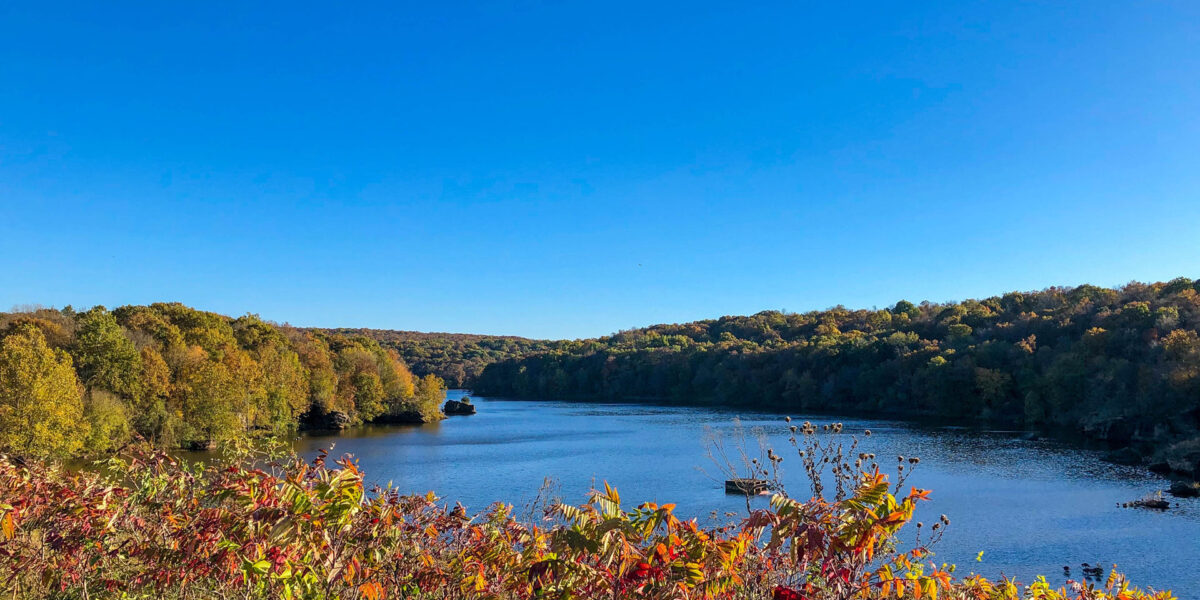
The NWA Land Trust has been doing this for decades, but the Growing Home plan signals an urgency to scale up. The pressure on the Benton County countryside is intense. The buffers around lakeside communities are shrinking. The land that acts as a filter for the Illinois and White River watersheds is increasingly threatened by piecemeal development.
Protecting that land isn’t a luxury for the future; it’s a necessity for the present. Every acre of open space saved preserves the rural character that drives tourism, retains green space for recreation, and ensures that our children have the same wide-open horizons to run through that we had growing up here.
The strategy suggests that smart growth means respecting the land that’s already here. That means working with the community, not just paving over it. The Land Trust exists at the intersection of landowners wanting to give back to the community and communities needing the green space.
We are watching this play out on the ground every day. You see it when
Source: NWA Land Trust