The Fort Smith Board of Directors is preparing to vote on an ordinance that would impose fines on individuals caught transporting homeless people into the city. The proposed measure specifically targets the one-way relocation of people who “lack a fixed, regular, and adequate nighttime residence.”
The ordinance seeks to address concerns about people being moved into Fort Smith without local resources or support in place. It aims to discourage what city officials describe as a practice that shifts the burden of homelessness between communities rather than providing sustainable solutions.
City attorneys are already raising questions about the ordinance’s constitutionality, signaling a potential legal battle ahead if the measure passes. The exact wording and enforcement mechanisms have drawn scrutiny from civil rights advocates and legal experts concerned about rights violations for vulnerable populations.
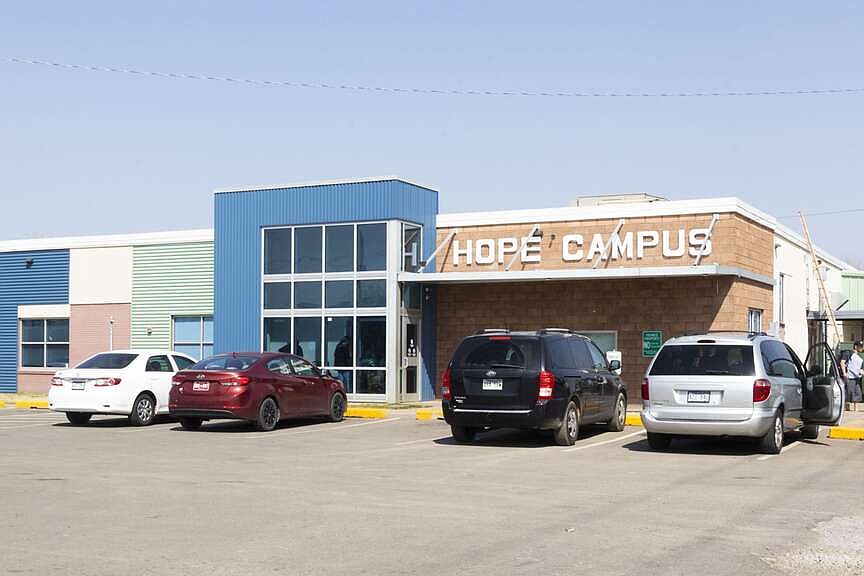
Fort Smith is one of several Arkansas cities grappling with how to manage homelessness amid limited resources. The issue has become more visible around downtown and near shelters like Hope Campus, which provides emergency housing and services to unhoused residents. Yet the city’s approach here contrasts with efforts focused on expanding assistance rather than penalizing those who transport people in need.
Opponents argue the ordinance could criminalize drivers trying to help friends or family members find shelter or medical care in Fort Smith, making it harder to provide informal support within the community. Supporters say it’s necessary to prevent the city from becoming a dumping ground for homeless individuals from neighboring areas.
The ordinance defines “transport” broadly, which may affect nonprofits, ride-share drivers, and individuals alike. The proposed fines’ amounts and how violations would be tracked have not been publicly detailed as the city council prepares for the vote.
Discussions over the measure surfaced amid growing regional debates about how to handle homelessness without exacerbating displacement. Across Northwest Arkansas, similar tensions exist as cities like Fayetteville and Rogers work on housing initiatives and support programs. Meanwhile, Fort Smith’s move stands out for its punitive angle rather than investment in expanded services.
Local nonprofits and social service providers have urged the city to consider more comprehensive solutions, including funding for affordable housing, mental health services, and outreach teams. Hope Campus, a longtime presence near downtown Fort Smith, continues to operate as a critical resource but struggles with capacity and funding.
The Fort Smith Board of Directors meeting where the vote will take place has not been scheduled publicly, but city officials indicate it is imminent. The outcome will shape how the city handles efforts by individuals or organizations to bring unhoused people in from other towns, potentially affecting regional cooperation on homelessness.
Community members and advocacy groups are expected to weigh in before the vote, highlighting the ethical and legal stakes. As Fort Smith debates this ordinance, questions remain about balancing public concerns, the rights of people experiencing homelessness, and the practical realities facing the city’s shelters and social services.
Source: NWA Democrat Gazette