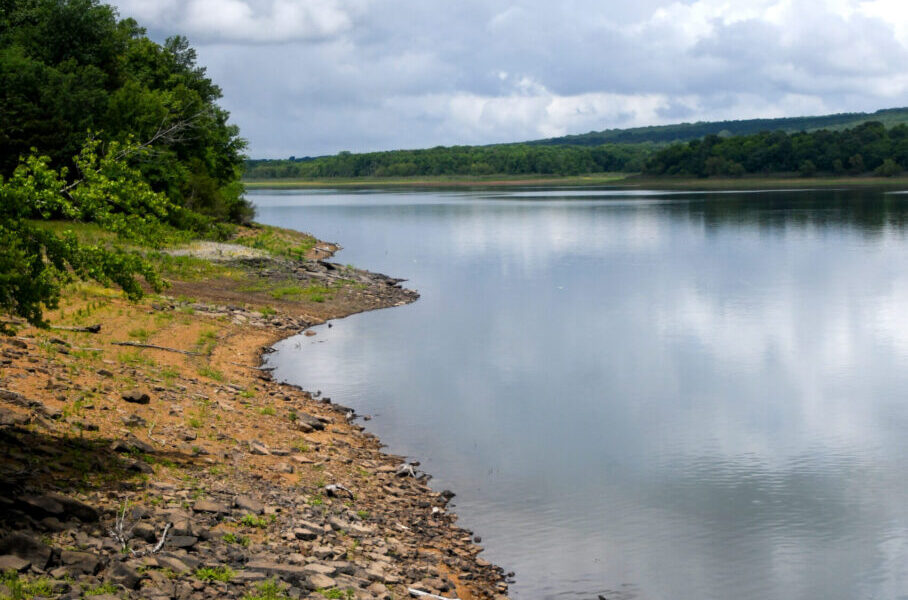
Conway and Morrilton have implemented water conservation orders as Arkansas faces a dry start to 2026, with limits now in place on yard watering, car washing and the use of splash pads.
The restrictions come as much of the state continues to experience below-normal rainfall. While the orders affect communities in central Arkansas rather than the Northwest Arkansas region, the dry conditions reflect a broader pattern affecting water resources across the state.
In Conway, the largest city under the current conservation order, residents are prohibited from watering lawns or landscapes using sprinkler systems or irrigation devices. Car washing at home has also been restricted, and splash pads throughout the city have been closed until further notice. The city has urged residents to conserve water wherever possible to help preserve supplies as the dry weather continues.
Morrilton, located approximately 30 miles northwest of Conway, implemented similar measures. The conservation orders in both cities represent preemptive steps to manage water resources before conditions worsen further.
The dry start to 2026 follows a pattern of increasingly variable precipitation across Arkansas. State water officials have been monitoring reservoir levels and groundwater supplies as the spring and early summer months brought limited rainfall to many regions.
Water conservation orders in Arkansas cities are not uncommon during periods of drought, but officials say the early timing of these restrictions this year is notable. Typically, such measures are implemented later in the summer during peak heat months when demand for water surges.
Residents in affected areas have been encouraged to follow the restrictions, which are enforceable under city ordinances. Non-compliance may result in fines or other penalties depending on the specific local regulations.
City officials in both Conway and Morrilton have stated they will continue to monitor conditions and adjust the conservation orders as needed. If rainfall returns to normal levels, the restrictions could be lifted relatively quickly. However, if dry conditions persist, additional measures may be considered.
The Arkansas Natural Resources Commission has been tracking drought conditions across the state and provides regular updates on water supply status. The commission’s data has shown below-average precipitation in several regions, prompting concerns about potential impacts on agricultural water users as well as municipal supplies.
For now, residents under the conservation orders are adapting to the new restrictions. Many are turning to drought-tolerant landscaping practices and reducing outdoor water use in favor of preserving supplies for essential needs.
The conservation orders remain in effect until city officials determine that water supplies have recovered sufficiently to lift the restrictions. Residents can check with their respective city government offices for the latest updates on the status of the conservation measures.
Source: Arkansas Times