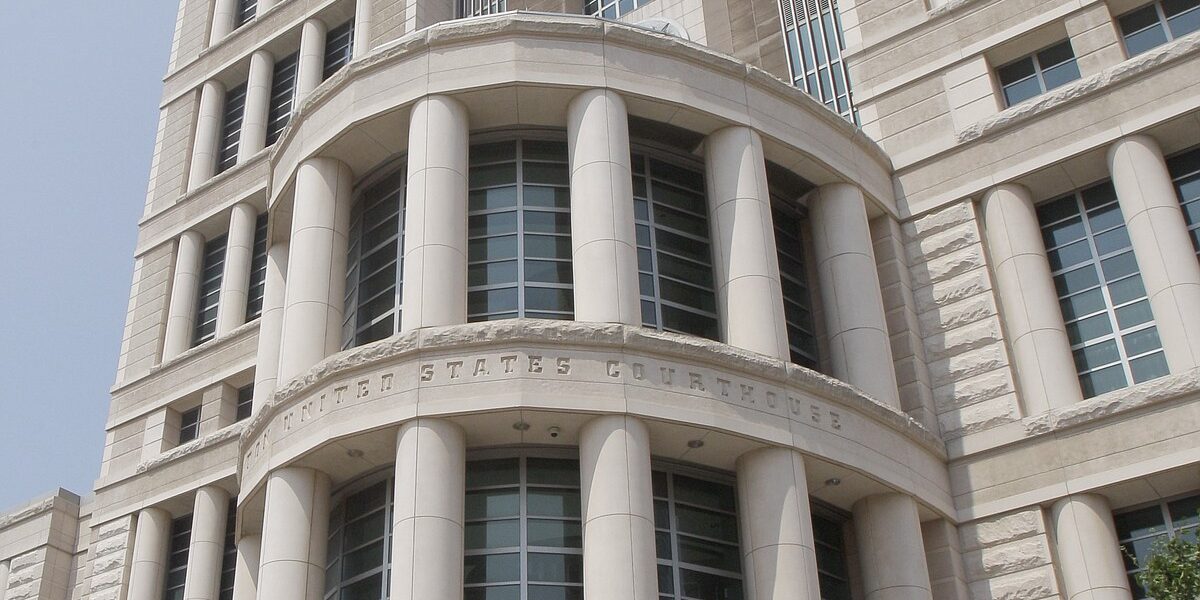
The Arkansas Board of Election Commissioners is taking another swing at ensuring that voter registration forms require “wet signatures”—those signed with an ink pen on paper. After a panel of the Eighth U.S. Circuit Court of Appeals in St. Louis ruled 2-1 on March 31 that electronic signatures are sufficient, the board has unanimously decided to request a rehearing from the entire 11-judge panel.
The decision to push for a rehearing underscores Arkansas’s commitment to this 2024 rule, which mandates the ink-on-paper requirement. Chris Madison from the board stated, “The board voted to direct the attorneys to file a petition for rehearing en banc, which is the whole panel.” This move reflects the state’s position that traditional wet signatures are essential for voter registration authenticity and security.
For Northwest Arkansans, this legal back-and-forth is more than just a technical debate. It’s a matter of how we balance safeguarding voting integrity with embracing modern conveniences. In a world increasingly going digital, the state’s insistence on wet signatures might seem a bit old-school. However, for those who value traditional methods as a way to ensure authenticity, the board’s stance makes sense.
In context, this isn’t just an isolated issue. It ties into broader discussions about voting processes and security, topics that have been on the minds of many locals, especially during election seasons. It’s worth noting this isn’t the first time Arkansas’s voting rules have been in the spotlight. Last year, the state engaged in discussions about other voting regulations with local groups, including the League of Women Voters, as covered in our earlier reports.
So, what’s next for the Board of Election Commissioners? They’ll be awaiting a response to their petition for a rehearing. Should the full court decide to hear the case, it could lead to a significant ruling not just for Arkansas, but potentially influencing how other states approach voter registration in the digital age. As legal proceedings continue, the debate captures the essence of balancing tradition with technology—a theme that’s very relevant to our community here in Northwest Arkansas.
Source: NWA Democrat Gazette