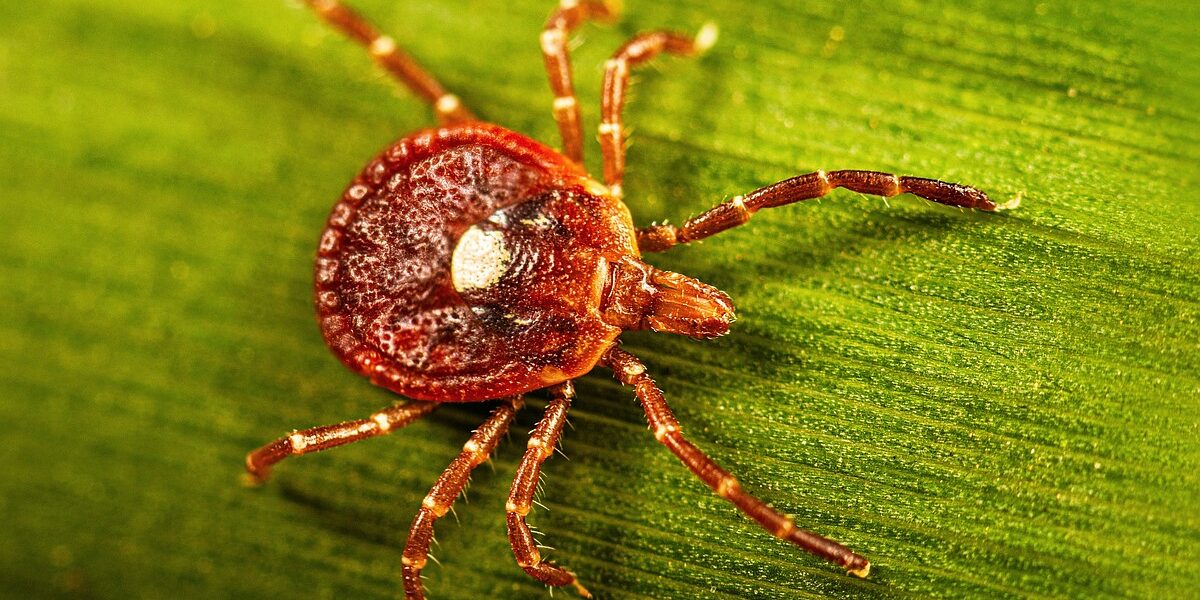
Arkansas health officials report a rising number of alpha-gal syndrome cases, a meat allergy caused by tick bites that introduce the sugar molecule galactose-alpha-1,3-galactose into the bloodstream. The condition is most often linked to bites from the lone star tick, a species prevalent in Northwest Arkansas and across the state.
Alpha-gal is a carbohydrate found in most mammalian meats and products such as beef, pork, and dairy, but not in humans. When a lone star tick bites a person, it can inject alpha-gal, sensitizing the immune system. Subsequent ingestion of mammalian meat products can then trigger allergic reactions ranging from mild hives and gastrointestinal discomfort to severe anaphylaxis.
According to data released by Arkansas public health sources, the number of reported alpha-gal cases has increased steadily over the last several years. The upward trend coincides with the expanding range of the lone star tick, which thrives in Arkansas’ wooded and suburban environments. The U.S. Centers for Disease Control and Prevention (CDC) confirms that Arkansas is one of the states where alpha-gal syndrome is becoming an emerging public health concern.
Medical professionals in Northwest Arkansas emphasize the importance of awareness among residents who spend time outdoors, particularly in Benton County and surrounding areas known for dense tick populations. Early recognition of symptoms and appropriate testing can help manage the condition, as there is currently no cure for alpha-gal syndrome.
Dr. Emily Sanders, an allergist practicing in Fayetteville, says, “Patients often do not realize they have alpha-gal until they have a severe allergic reaction after eating meat. It’s crucial to link the allergy to previous tick bites. Avoidance of mammalian meat products is currently the most effective way to prevent reactions.”
Treatment involves education around food choices, with many patients required to eliminate beef, pork, lamb, and dairy from their diets. Some individuals may also react to gelatin and other mammal-derived products. Doctors recommend careful label reading and consultation with allergists before making dietary changes.
Community health groups across Arkansas are stepping up public education campaigns to inform residents about the risks of tick bites and alpha-gal syndrome. These efforts include distribution of informational materials on proper tick prevention—such as use of repellents, wearing long sleeves and pants outdoors, and checking for ticks after being outside.
The lone star tick (Amblyomma americanum) is particularly aggressive and can attach to humans for several days, increasing the chance of sensitization. Unlike ticks that transmit Lyme disease, lone star ticks do not carry the bacterium that causes Lyme but pose a growing problem due to their role in alpha-gal syndrome and other illnesses.
The rise in alpha-gal cases adds to the public health challenges posed by tick-borne diseases in Northwest Arkansas, underscoring the need for region-specific strategies. The Arkansas Department of Health collaborates with local healthcare providers and organizations to monitor case numbers and enhance prevention efforts.
In light of these developments, residents are encouraged to remain vigilant during outdoor activities in wooded or grassy areas, particularly from spring through early fall when tick activity peaks.
Source: NWA Democrat Gazette