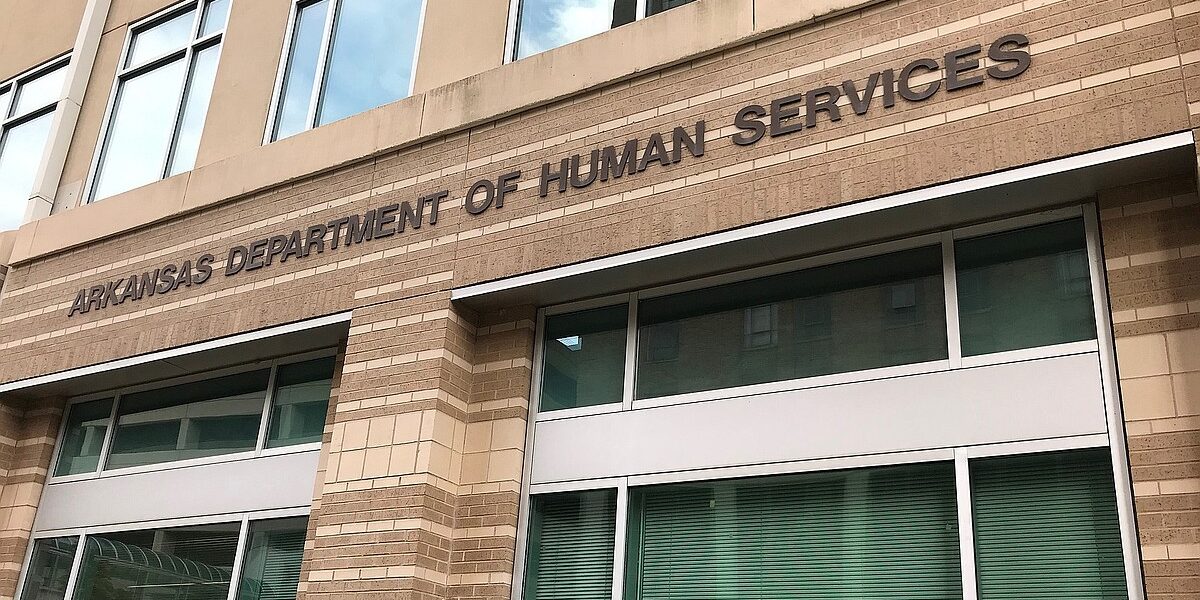
The Arkansas Department of Human Services has abandoned a plan to cut funding for the state’s eight Area Agencies on Aging, the nonprofit organizations that connect seniors with critical services like meals, transportation and in-home care.
The reversal comes after CareLink, the Area Agency on Aging serving Pulaski County, received a letter from DHS on May 29 warning of “a significant change affecting your organization’s contract or grant with the Arkansas Department of Human Services.” The letter, signed by Jay Hill, director of DHS’ Division of Aging and Adult Services, described the proposed cuts as “part of an agency-wide effort to ensure that our committed expenditures in the next fiscal year are fully covered within our available budget.”
CareLink Executive Director Luke Mattingly said the proposed cuts to his agency would have totaled $120,000 — a figure that would have translated to roughly 4,000 fewer meals for seniors in Pulaski County alone, according to the nonprofit’s estimates.
The eight Area Agencies on Aging in Arkansas operate as private, nonprofit organizations under contract with DHS. They serve as the primary point of entry for seniors seeking state and federal aging services, including the Older Americans Act programs that fund home-delivered meals, congregate dining sites, transportation to medical appointments, caregiver support and respite services.
In Northwest Arkansas, seniors and their families typically access these services through the local Area Agency on Aging serving Benton and Washington counties. The agencies coordinate with a network of local providers to deliver services directly to residents who may otherwise struggle to remain in their homes.
The proposed cuts would have affected agencies statewide. Area Agencies on Aging across the country have faced chronic funding pressures as the senior population grows faster than federal and state allocations. In Arkansas, the state’s 60-and-older population is projected to increase by more than 20% over the next decade, according to Census Bureau estimates.
DHS officials did not specify what prompted the reversal, and the department declined to comment on the record about the decision to preserve the current funding levels. A department spokesperson said the agency “remains committed to serving Arkansas seniors” but declined to provide additional details about the budget discussions.
Mattingly said he was relieved by the decision but concerned about the uncertainty the proposal created for seniors and service providers.
“When you get a letter like that, you have to plan for the worst,” Mattingly said. “Our staff spent weeks trying to figure out how we’d absorb those cuts while still serving the same number of people. That’s not a position any Area Agency on Aging should be in.”
Advocates for seniors said the episode highlights the vulnerability of the aging services network, which relies heavily on state and federal funding that can shift from year to year.
“These agencies are the lifeline for thousands of seniors who want to stay in their homes but need help with meals, transportation or basic daily tasks,” said one advocate who spoke on condition of anonymity. “Any threat to that funding creates real anxiety for families.”
For now, the Area Agencies on Aging will operate under their existing contracts for the current fiscal year. What happens next year remains uncertain. DHS has not indicated whether similar budget pressures could resurface during the next legislative session, when the Arkansas General Assembly will craft the state budget for fiscal year 2027.
Area Agencies on Aging were established nationally in the 1970s as part of the Older Americans Act, which created a network of local organizations charged with assessing senior needs and coordinating services. In Arkansas, the eight agencies collectively serve all 75 counties.
Source: NWA Democrat Gazette