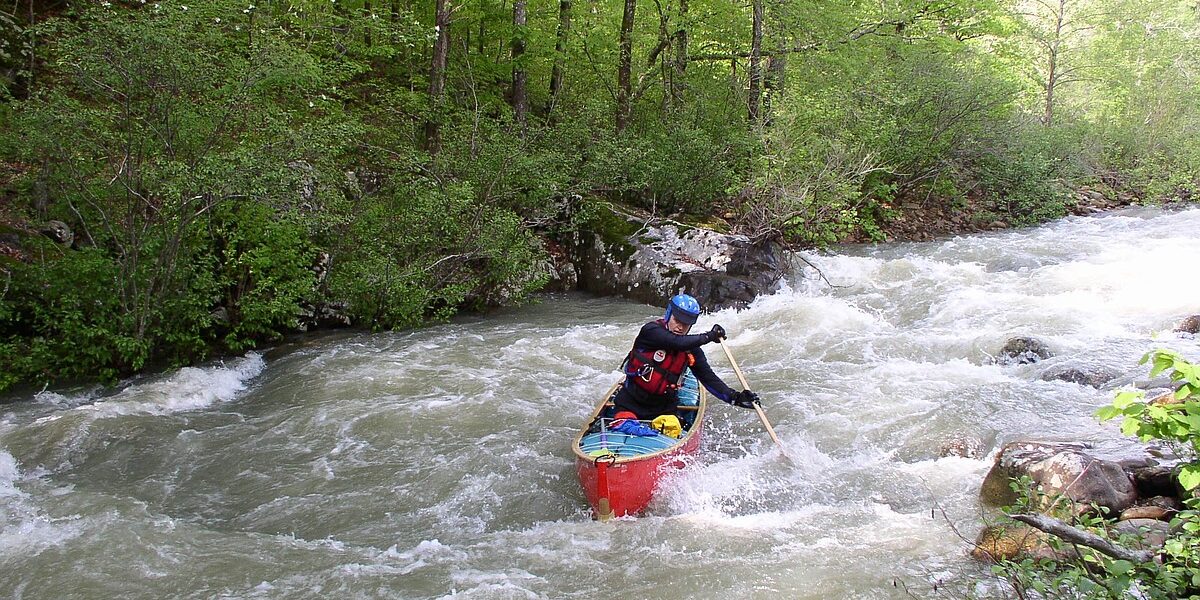
Northwest Arkansas is home to two federally designated National Wild and Scenic Rivers — Hurricane Creek and Big Piney Creek — that offer a rugged, unforgettable experience for families who want to explore the outdoors without leaving the region. Both waterways run through the Ozark National Forest, providing a rare glimpse of untouched river landscapes amid towering bluffs, thick woodlands, and rocky rapids.
Big Piney Creek stretches about 24 miles through the forest, and its clear waters attract paddlers, anglers, and hikers alike. The river’s rapids range mostly from Class 1 (easy) to Class 3 (moderate), allowing families with older kids or teens comfortable on water to enjoy paddling trips that challenge without overwhelming. The creek meanders deeply carved valleys where the scent of pine mingles with damp earth and wildflowers. Visitors often pause along shaded banks to spot herons wading in the shallows or to hear the rush of water tumbling over stones.
Despite the serenity, Big Piney rewards the adventurous with whitewater sections and natural pools perfect for a splash break. Its banks offer campsites where families can set up tents for overnight stays, breathing in the quiet broken only by frogs and the ripple of water across sandbars. Hikers following the river’s course encounter rocky outcrops and moss-covered ledges that make each vantage point an invitation to linger.
Hurricane Creek, slightly shorter at about 15 miles, displays a wilder side with rapids stretching up to Class 6, known for being extremely dangerous and recommended only for expert paddlers. Much of the creek flows through rugged and steep terrain lined by ancient rock formations and dense hardwood forests. The challenge here is a part of its appeal.
For families with teens or young adults looking to push their limits, Hurricane Creek offers thrilling whitewater experiences under the watch of seasoned guides or with proper preparation. Along calmer stretches, the creek’s cool water and shaded coves invite brief swims and picnics. Birdwatchers and nature lovers appreciate the canopy that supports a diverse ecosystem, from woodpeckers tapping on trunks to the occasional glimpse of deer grazing near the water’s edge.
Both rivers highlight the Ozark National Forest’s dedication to preserving natural habitats. Their federally protected status means development is limited, keeping the waterways pristine and their shorelines wild. This preservation also extends to the recreational infrastructure — expect primitive access points, natural trails, and few crowds compared to more commercialized parks.
Practical details for families planning a visit:
- Access and parking: Both Big Piney and Hurricane Creeks have designated access points with small parking areas within the Ozark National Forest. Families should check the U.S. Forest Service website or local ranger stations for current conditions and parking availability.
- Recommended ages and skill levels: Big Piney Creek suits families with kids roughly 10 and older who are comfortable with moderate hikes and easy watercraft. Hurricane Creek’s upper rapids require advanced paddling expertise; calmer lower stretches may be better for those with some experience and teenagers seeking adventure.
- Gear to bring: Life jackets are a must for any water activity. Families should pack sturdy water shoes, sun protection, insect repellent, water bottles, and snacks. If camping, bear-proof containers and camping permits from the Forest Service are advisable.
- Length of visit: Day-trips are common, with hikes following the river or floating sections that last a few hours. For families ready to camp, multiple days allow a more immersive experience — mornings filled with bird songs, afternoons near the water, and evenings under stars without city lights.
- Cost: Entrance and use of these public lands are free, though some services like guided tours or equipment rental carry fees. Camping permits may be required at certain sites.
Planning a trip here means trading convenience for authenticity — no paved trails or bustling visitor centers, just the deep woods and rivers that have flowed for centuries. Parents should prepare kids for variable conditions, sudden weather changes, and the physical demands of outdoor activities in natural settings.
Families who take the time to explore Hurricane Creek and Big Piney Creek will find themselves rewarded with moments of quiet discovery, laughter over younger paddlers’ first rapids, and the simple joy of shared sunsets on remote riverbanks. These rivers demand respect, prepare visitors for challenge, but ultimately cling to the kind of memories that come from being fully present in wild landscapes just an hour or two from Northwest Arkansas towns.
Source: NWA Democrat Gazette