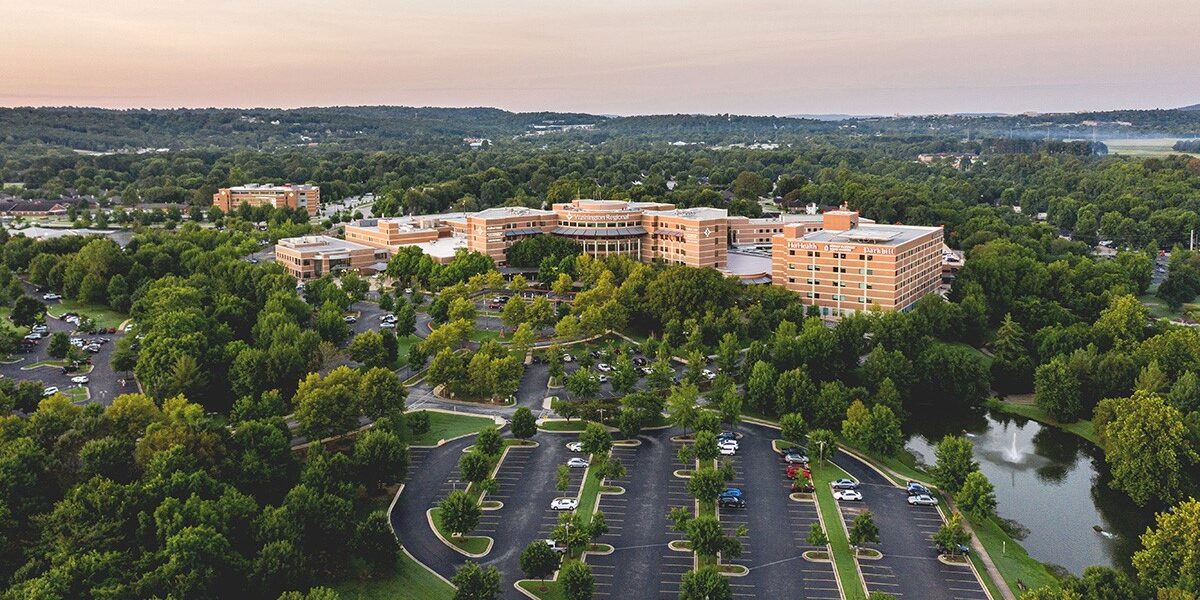
Washington Regional Medical Center in Fayetteville has named Dr. Rowland “Todd” Stewart as its first chief medical informatics officer, a new role paired with his appointment as vice president. Stewart’s hire reflects the health system’s increasing focus on leveraging data technology to enhance patient care and clinical operations.
In this expanded role, Stewart will lead clinical informatics initiatives at Washington Regional, managing the integration of health information technologies with care delivery systems. His responsibilities include optimizing electronic health records (EHR) use, supporting data-driven clinical decision-making, and advancing interoperability across the health system’s network.
Washington Regional, which serves the larger Northwest Arkansas region, has been expanding its digital health infrastructure to improve outcomes, reduce costs, and streamline workflows for providers and patients alike. Bringing in a dedicated chief medical informatics officer aligns with trends among regional health systems investing in data modernization as a means to enhance service quality and operational efficiency.
Dr. Stewart comes to Washington Regional with extensive experience in clinical informatics and hospital leadership. His background includes guiding health IT transformation projects and fostering collaboration between IT staff and clinical teams. In his previous roles, Stewart has focused on implementing evidence-based informatics solutions that enhance patient safety and coordinate care more effectively.
Health informatics is a critical function in modern healthcare systems, helping to bridge medical expertise and technology. With Stewart’s appointment, Washington Regional aims to accelerate the integration of data analytics, clinical protocols, and digital tools that support doctors, nurses, and other providers at the point of care.
Washington Regional’s investment in this new executive position underscores the growing recognition of informatics as integral to both clinical quality and business success in healthcare. As reimbursement models increasingly reward value-based care, access to timely and accurate data becomes essential for patient management and regulatory compliance.
The move also fits within broader trends in the Fayetteville and Northwest Arkansas healthcare markets, where providers compete not only on facilities and specialties but also on innovative technology adoption. Building a robust informatics capacity can improve patient outcomes, facilitate population health management, and strengthen health system responsiveness.
With Stewart at the helm of clinical informatics, Washington Regional is positioned to advance initiatives like clinical decision support, predictive analytics, and electronic data exchange with other providers and public health entities. These efforts can improve care coordination, reduce medical errors, and provide actionable insights that benefit patients throughout the region.
The appointment illustrates Washington Regional’s commitment to keeping pace with healthcare industry standards and regulatory requirements. As federal and state agencies continue to emphasize digital health through programs like meaningful use and interoperability mandates, having a dedicated informatics leader simplifies compliance and strategic planning.
Stewart’s role will also involve staff education and change management to ensure clinical teams fully adopt new health IT tools. This component is critical since technology alone does not improve care unless integrated seamlessly into clinical workflows and embraced by caregivers.
As Washington Regional treats tens of thousands of patients annually from Fayetteville and surrounding Benton County, the hospital system’s informatics advancements have practical implications for the health of local families. Improved data systems can lead to faster diagnoses, better chronic disease management, and coordinated transitions between care settings.
This staffing decision follows other health system leadership changes regionally, where medical centers are adapting to heightened expectations for connectivity and digital readiness. Washington Regional is guarding its position as a key healthcare provider in Northwest Arkansas by embedding informatics expertise into its senior leadership.
Source: Talk Business & Politics