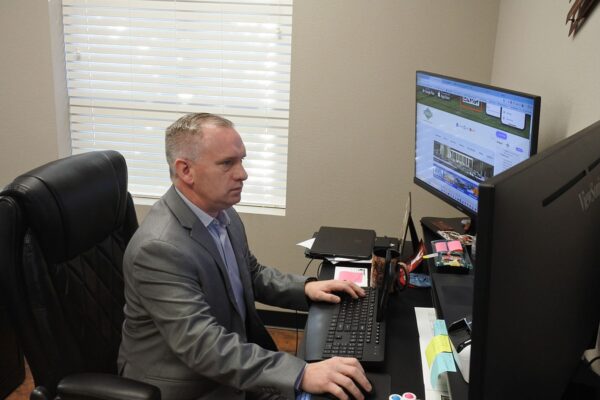
Tom Waggoner, CEO of SyntexNRG, addressed attendees at the Siloam Springs Public Library during a recent waste-to-energy conference, introducing the concept of “virtual landfills.” This innovative approach could potentially convert Northwest Arkansas’s solid waste into fuel, providing a sustainable solution to the region’s waste management challenges.
Waggoner’s presentation highlighted the urgency of addressing waste issues in Northwest Arkansas, a region experiencing rapid growth and increased waste production. The virtual landfill model proposes transforming waste through advanced technologies into usable energy, reducing reliance on traditional landfills and their environmental impact.
The discussion comes at a time when local leaders, including state Rep. Steve Unger, R-Springdale, are eager to explore collaborative efforts in tackling the area’s waste problems. Unger described the conference as potentially “firing the starter’s pistol for collaboration” among stakeholders looking to implement sustainable waste solutions.
Northwest Arkansas’s growing population, coupled with its booming economy, has put pressure on existing waste infrastructure. Traditional landfills are reaching capacity, prompting the need for alternative methods. The virtual landfill concept offers a promising path forward, converting waste into energy while minimizing environmental harm.
This approach could align well with other regional initiatives aimed at sustainability and innovation. For instance, discussions around funding infrastructure projects like the I-42 corridor study (Northwest Arkansas commission to study tolls for I-42 funding, regional tourism) indicate a broader interest in modern solutions to support the region’s development.
While the virtual landfill concept is still in its early stages, the interest from local leaders and community stakeholders suggests a readiness to explore new waste management strategies. As Northwest Arkansas continues to grow, finding efficient and sustainable ways to handle waste will be crucial for maintaining the region’s quality of life and environmental health.
Source: NWA Democrat Gazette