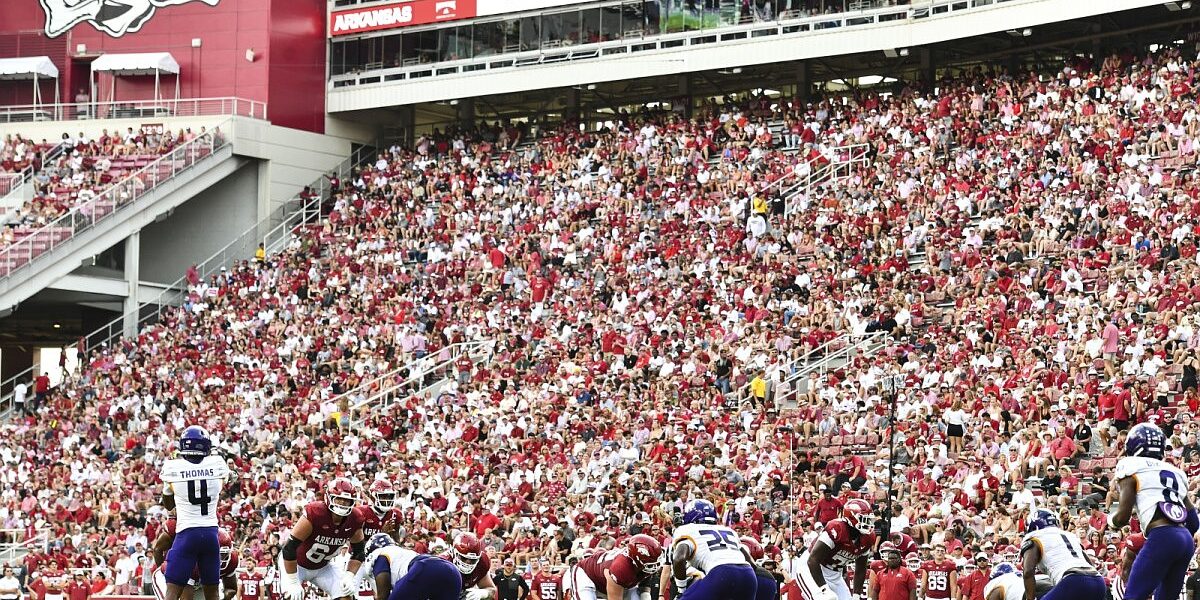
The University of Arkansas Board of Trustees passed a resolution Friday directing a comprehensive review of Razorbacks athletics, with particular attention on the football program’s competitiveness.
The action signals heightened scrutiny over how the university’s athletic teams are performing on the field and whether they meet the expectations of the fan base and the university community. While the resolution covers all Razorback sports, football remains the primary focus given its profile in the Southeastern Conference and the broader sports landscape.
Members of the Board expressed concerns about recent seasons and the program’s direction, prompting the need for an independent evaluation to assess strengths, weaknesses, and opportunities for improvement. The review aims to examine recruiting, coaching effectiveness, facilities, team culture, and overall competitiveness against peer institutions.
This marks a notable step from the Board as Arkansas seeks to align its athletics with both on-field success and long-term sustainability. The Razorbacks football team, which plays home games at Donald W. Reynolds Razorback Stadium in Fayetteville, has experienced ups and downs in recent years, leading to increasing calls from fans and community members for changes that could restore the program to national prominence.
The Board’s resolution entrusts university leadership with assembling a panel to conduct the review and report back with recommendations. While the specifics of the timeline or composition of this panel have not yet been finalized publicly, the outcome will likely influence future decisions regarding coaching, funding, and strategic priorities for Razorbacks athletics.
Among the factors expected to be considered are the resources dedicated to player development, the impact of recent NCAA policy changes, and benchmarking against other Southeastern Conference programs such as Alabama, LSU, and Ole Miss. The SEC’s reputation as the nation’s premier football conference raises the stakes for Arkansas’s competitors both on and off the field.
Razorbacks football holds a deep place in Arkansas’s culture and economy, often ranking as one of the state’s most visible sporting brands. Fayetteville’s game-day traffic, local businesses near Dickson Street, and hospitality venues like Hog Haus Brewery all feel the ripple effects of the team’s performance, win or lose.
The university’s initiative to examine competitiveness also comes amid broader conversations about the growth and future priorities of Razorback athletics programs, including investment in student-athlete welfare, women’s sports, and facility upgrades across campus.
Arkansas athletic director Chris Turner, though not directly quoted in the public statement, is expected to play a pivotal role in shaping the review and any subsequent reforms. His ability to navigate expectations from alumni, donors, coaches, and fans will be critical in the months ahead.
While this review is centered on competitive outcomes, it underscores the balancing act faced by university programs nationwide: maintaining high athletic standards, supporting academic success, and ensuring compliance with evolving NCAA regulations.
For Northwest Arkansas residents who routinely fill seats at Razorback games or follow college sports closely, this is a development worth watching. The review signals that the Board is willing to question the status quo and consider changes that could affect the future shape of Razorback athletics.
In recent Razorbacks news, the Northwest Arkansas community has also been engaged with other pressing local developments like the commission studying tolls for I-42 funding and regional tourism, which impact broader infrastructure and economic growth affecting university accessibility and fan travel.
Source: NWA Democrat Gazette