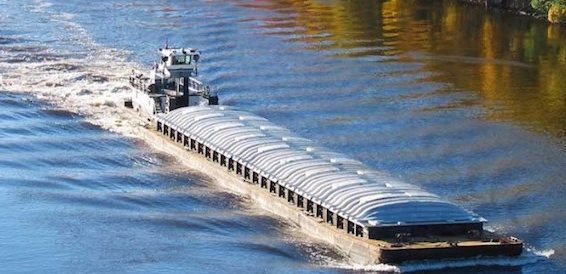
Commercial tonnage on the Arkansas River rose almost 11% through May, fueled largely by a surge in shipments of sand, gravel, and rock. In May alone, tonnage jumped more than 50%, marking a big uptick in river traffic that’s been steady throughout the year so far.
That growth signals a busy season for Arkansas River freight, which supports industries tied to construction, agriculture, and manufacturing across Northwest Arkansas and beyond. Sand, gravel, and rock shipments were the main drivers, reflecting strong demand for building materials—something that speaks volumes about ongoing development projects in the region.
In a state where river transport can be a real economic backbone, this nearly 11% increase through May is a welcome sign for local businesses and workers alike. Moving bulk goods via river barges tends to be cheaper and more efficient than shipping by road or rail in many cases—kind of like getting a bulk discount on transportation. Honestly, in bigger cities, you’d usually see infrastructure constraints slow down this kind of commodity movement. But here in Arkansas, the river continues to prove its value.
The Arkansas River, which runs past towns and cities including Fort Smith, has long been critical for freight movement connecting key sectors of the state’s economy. Gains in tonnage here can translate directly into jobs at ports, shipping companies, and manufacturing plants that rely on steady material shipments. It also helps keep local projects moving without the bottlenecks you’d face in places like Memphis or St. Louis, which handle much larger volumes but strain under heavier traffic.
Other commodities beyond construction materials have contributed to the shipment increases, though sand, gravel, and rock remain the main highlight. These materials underpin everything from road building to commercial real estate development, making the uptick a positive indicator for Northwest Arkansas’s growth trajectory.
This boost in river freight ties into a bigger picture of economic activity in the region. Bentonville and Fayetteville have seen a lot of fresh investment lately, with new homes and commercial developments popping up. The availability of affordable raw materials moved efficiently on the Arkansas River helps keep those projects on clearer timelines and with tighter budgets.
Waterway freight, while sometimes overshadowed by highways or rail, remains a cost-effective cornerstone here. For families and workers, that means more steady employment opportunities in logistics, shipping, and the construction trades. For example, crews loading barges, operating port equipment, and trucking materials inland are all part of the hustle that this freight jump supports.
Over the years, investments to keep the river navigable and ports modern have paid dividends. The uptick in tonnage reflects both favorable economic conditions—like ongoing infrastructure needs—and the success of these efforts to maintain and improve river capacity. It’s a reminder that the Arkansas River’s role in the regional economy stretches far beyond just a line on a map; it’s a living artery powering growth and opportunity.
Compared to the rail delays and highway congestion found in larger metropolitan regions, the Arkansas River offers a smoother route for bulk shipments. This sort of efficient freight movement is a key reason why local manufacturers and developers can keep projects moving forward without paying a premium on shipping costs. That advantage helps NWA compete economically while supporting a broad range of family-wage jobs tied to goods movement.
The commercial tonnage increase through May hints at more opportunities ahead for Northwest Arkansas. As materials flow more freely, expect local companies involved in building and manufacturing to feel the benefits—whether that’s suppliers stocking shelves or contractors breaking ground on new developments.
Look, supporting and leveraging the Arkansas River for freight isn’t just about numbers; it’s about the real families and workers who depend on these industries for their livelihoods. An 11% boost in tonnage, especially concentrated in key materials, means people see a reason to keep pushing forward—building homes, roads, and infrastructure that will shape this region’s future.
Source: Talk Business & Politics