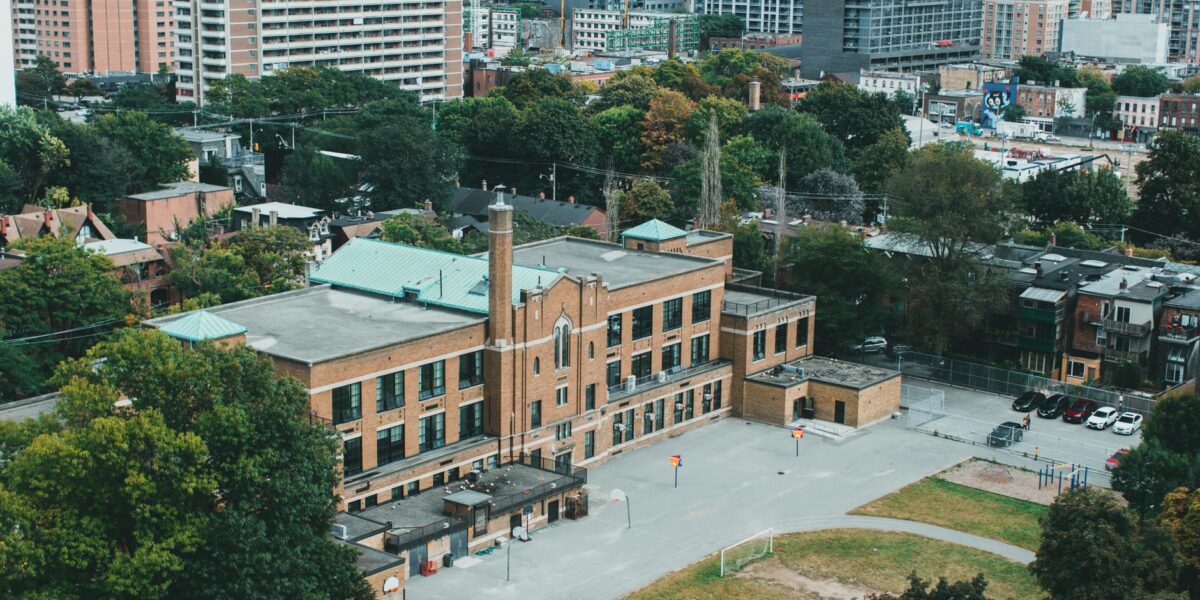
The U.S. Department of Education’s Office for Civil Rights has launched an investigation into Fayetteville Public Schools over concerns related to the district’s use of restorative justice practices, according to a Reddit post circulating within the Fayetteville community. The investigation reportedly focuses on allegations that the district’s disciplinary policies may involve differential treatment of students based on race.
Assistant Secretary for Civil Rights Kimberly Richey issued a statement reflecting the federal concerns: “For too long, the left’s pursuit of ‘equity’ has perversely required schools to discipline students differently, based on their race; it has prevented teachers from keeping their classrooms safe, put students in harm’s way, and severely compromised learning environments.” This statement signals a critical stance by the department toward restorative justice efforts that seek to address disparities in school discipline.
What stands out is that the investigation did not arise from complaints lodged by Fayetteville students, parents, or educators. Instead, it appears to be part of a broader federal review, reflecting heightened scrutiny nationally on policies that aim to reduce traditional disciplinary actions like suspensions and expulsions, especially where such policies account for racial equity considerations.
Fayetteville Public Schools has embraced restorative justice strategies over recent years, aiming to move away from zero-tolerance discipline policies. These approaches focus on repairing harm, fostering dialogue, and improving relationships within classrooms rather than relying primarily on punitive measures. Proponents argue that restorative justice reduces racial disparities in discipline and supports a safer, more inclusive school environment.
However, critics of these methods argue they may inadvertently compromise classroom safety and the authority of educators to manage discipline uniformly. The federal Office for Civil Rights, under Richey’s direction, appears concerned that such policies may treat students differently depending on race, raising questions about equal protection under federal civil rights laws.
This investigation parallels scrutiny happening in other states, where debates over equitable school discipline have become politically charged. In Fayetteville, a city embedded in the broader Northwest Arkansas region that includes rapidly growing urban and suburban populations, this federal attention is especially notable. School districts here, including Fayetteville, are navigating how to maintain safe, productive learning environments while addressing systemic inequities.
While official details of the Department of Education’s inquiry remain limited, the absence of local complaints suggests the district itself may be taken by surprise. Fayetteville Public Schools has not publicly commented on the investigation as of this writing, and no formal confirmation has been found from district officials or Arkansas Department of Education sources.
It is worth noting that Fayetteville ranks among the larger school districts in Northwest Arkansas, serving thousands of students. The district’s push for restorative justice fits into a nationwide effort to correct disproportionate disciplinary impacts on Black and minority students, aiming to reduce suspensions and expulsions that contribute to what educators call the “school-to-prison pipeline.”
Translation from local educators and families concerned about the investigation might be mixed. Many in Fayetteville’s education community have advocated for restorative justice measures as a way to create more culturally responsive and supportive schools. Parents and teachers invested in these efforts may see the federal probe as an overreach or misinterpretation of the district’s intentions and practices.
Nationally, calls for greater safety and consistent discipline also resonate with some parents, teachers, and lawmakers who argue that restorative justice policies need clearer guardrails to ensure all students’ rights and safety are protected equally. Finding that balance has proven challenging in many school systems, and Fayetteville now joins other districts navigating this complex terrain.
This development arrives amid other noteworthy shifts in education and policy across Northwest Arkansas, including regional planning efforts and cultural events shaping community life. As Fayetteville Public Schools work through federal oversight, local attention may turn to new discussions about school climate, equity, and accountability.
Unlike investigations sparked by local grievances, this situation underscores how federal education priorities and rhetoric are influencing how local school districts manage discipline and equity. Fayetteville, with its unique mix of college influence, urban growth, and diverse demographics, provides an instructive case of how these tensions play out on the ground.
The coming weeks will be telling, as Fayetteville Public Schools and the Department of Education engage over this inquiry. Observers in NWA’s education and community forums will want to watch for updates on any findings, recommendations, or policy changes resulting from this review.
For now, Fayetteville families, educators, and community members face a federal spotlight on one of the most sensitive areas of school policy—balancing safety, fairness, and racial equity—without clear local complaints driving the scrutiny. That alone makes this investigation stand out in the region’s ongoing conversations about education and social justice.
Source: Reddit NWA/Fayetteville