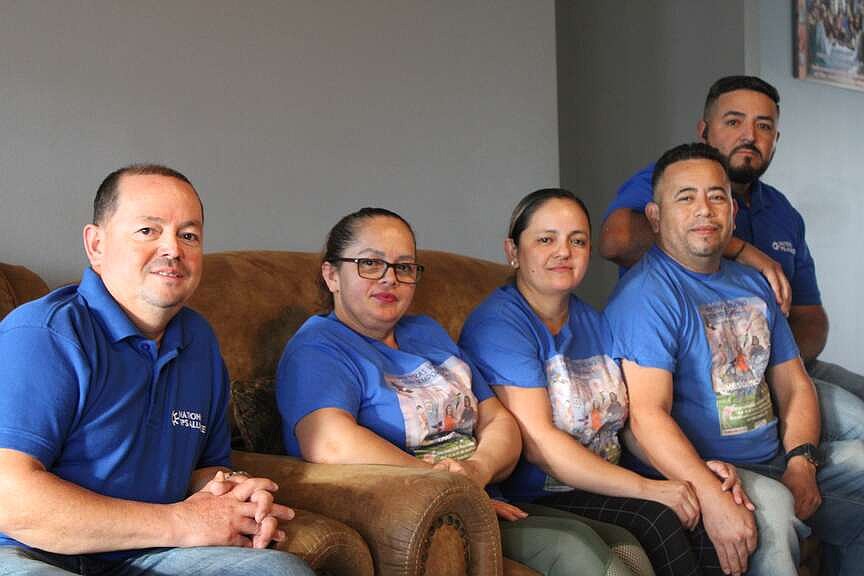
For the Interiano and Calderon families in Lowell, a government memo arriving at the mailbox looks less like paperwork and more like a eviction notice. Maximino Interiano, Rosa Interiano, Veronica Herrera, Joel Calderon, and Rene Interiano have spent the last three decades building a life in Benton County, but the renewal of Temporary Protected Status for their native El Salvador hangs over them like storm clouds. The decision by the U.S. Citizenship and Immigration Services to not renew the humanitarian protections has created a ceiling of anxiety that feels impossible to break.
The family settled in Northwest Arkansas nearly 30 years ago. That’s a lifetime, by any standard. They crossed borders not just geographically, but generationally, trading the landscapes of Central America for the limestone infrastructure of Arkansas highways and the specific rhythm of life in the valleys near the Boston Mountains.
By all markers of local life, Maximino and Rosa Interiano have put down roots deeper than the oaks in Bella Vista or the post oaks in Rogers. They raised children here—Veronica, Joel, and Rene—who grew up on creaky front porches, celebrated birthdays at neighborhood parties, and navigated the school systems that surround Lake Fayetteville. They aren’t “newcomers” in the way the word feels in modern, rapid-growth NWA; they are part of the foundation of the town they’ve raised their family in.
Yet, the status of their legal residency depends on a bureaucratic mechanism labeled “Temporary.” For years, Temporary Protected Status has been a shield against deportation for Salvadorans facing conditions—like natural disasters or violence—that make return impossible. It buys time to build a life. The question now is whether that time has run out.
It’s hard for a lot of folks on the ground to square the TPS designation with the reality of the families living next door or down the street. When you look
Source: NWA Democrat Gazette