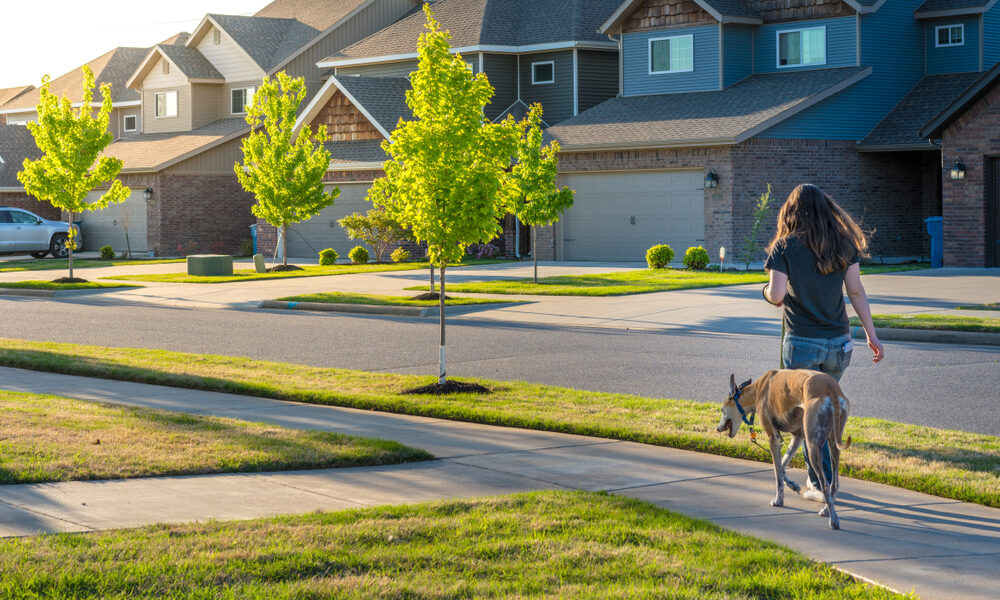
Home sales in Northwest Arkansas increased in the second quarter of 2026 while prices showed signs of stabilizing, shifting some leverage back to buyers, according to the latest Skyline Report from Arkansas Business. The residential real estate market exhibited resilience amid evolving economic conditions, even as the commercial sector began to soften.
The report, released August 21, shows that the number of homes sold in Northwest Arkansas—encompassing Benton County and other surrounding areas—rose modestly compared to the previous quarter. Inventory levels stabilized after an extended period of tight supply, providing potential buyers with a broader selection than they had earlier in the year.
Home Prices Show Signs of Plateauing
After several quarters of double-digit price increases driven by strong demand and limited inventory, Northwest Arkansas home prices have begun to level off. While median sales prices remain elevated compared to the previous year, the rate of price growth has slowed, signaling price stabilization. This trend is driven by economic factors including rising mortgage rates and affordability challenges, which have tempered buyer urgency.
For buyers who faced fierce competition over the past two years, the market shift means increased opportunities to negotiate on price and terms. Real estate agents interviewed for the report noted a reduction in bidding wars and fewer properties selling above asking price.
Increased Buyer Leverage and Market Dynamics
Buyers are benefiting from improved market balance. The combination of a slight uptick in listings, higher mortgage interest rates, and cautious consumer spending has contributed to a more measured pace of sales and greater negotiating power for purchasers.
Despite these shifts, affordability remains a key concern in Northwest Arkansas, where home prices and property taxes have increased in recent years. The region’s growth—spurred by recruitment of new businesses and population influx—continues to influence long-term housing demand.
Commercial Real Estate Shows Early Signs of Softening
While the residential market showed positive signs, the commercial real estate sector in Northwest Arkansas experienced a mild downturn. The Skyline Report points to rising vacancy rates and slower leasing activity in office and retail spaces, reflecting broader national trends of increased remote work and changing consumer habits.
Local commercial landlords and developers have started adjusting their strategies, focusing more on flexible lease terms and property repositioning. This softening is also attributed to cautious business expansion and some companies delaying real estate commitments amid economic uncertainty.
Election-year fiscal policy and inflation still create a complex backdrop for commercial property investors. Analysts interviewed for Arkansas Business emphasized that ongoing monitoring is necessary to understand whether this softening will deepen or stabilize.
Implications for Northwest Arkansas Families and Economy
The residential real estate trends offer mixed but important implications for families in Northwest Arkansas. Stable prices and increased inventory may help potential homeowners in Bentonville, Rogers, and surrounding communities enter the market after years of rising costs. This could reduce housing insecurity among working families and support local workforce stability.
At the same time, affordability challenges remain for first-time buyers and lower-income households, given persistent median home price increases compared to local wage growth. Affordable housing policy and development remain critical to prevent exclusionary displacement.
The evolving commercial real estate market could signal a temporary pause in business-driven property investments, impacting jobs in construction, real estate services, and property management sectors. Local governments and development agencies may need to address these early signs with targeted initiatives to sustain economic vitality.
Real estate experts and economic development officials watching Northwest Arkansas emphasize these changes do not represent a market collapse but rather a phase of adjustment following years of rapid expansion. The residential market’s return to balance and the cautious commercial sector reflect shifting supply, demand, and economic conditions.
Recent related coverage on NWA Signal highlights other economic factors influencing the local business environment, such as the $100 million Walmart settlement over delivery driver practices and the growing influence of individual investors on local and national markets tracked by the Signal.
Source: Arkansas Business