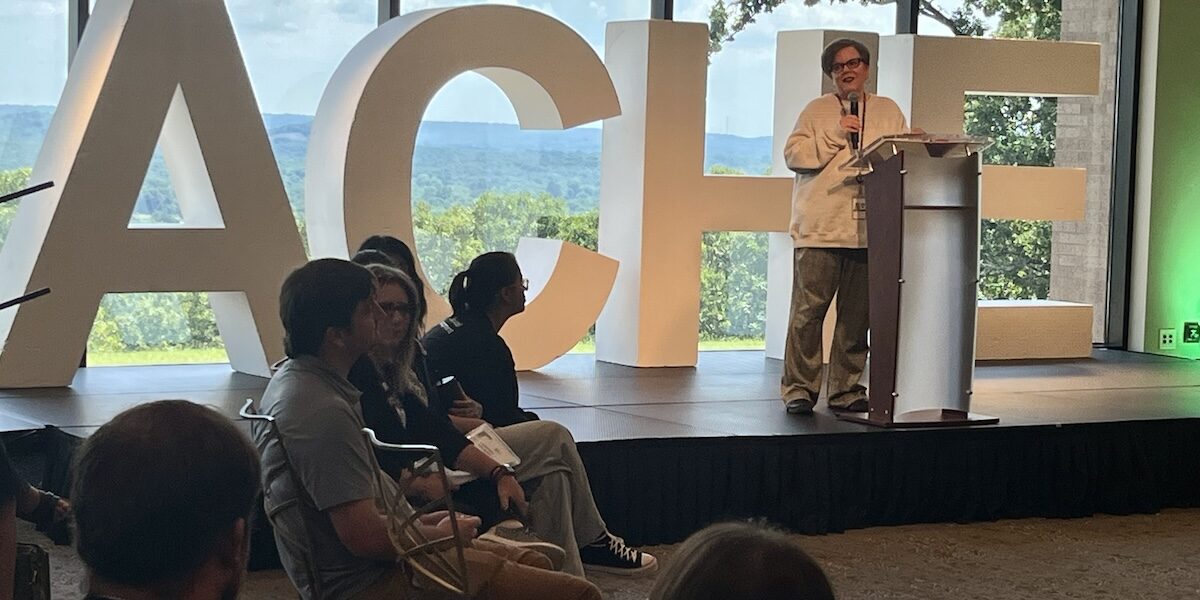
Twenty-eight residents from the Fort Smith region participated in an interactive poverty simulation exercise hosted by Arkansas Colleges of Health Education on Wednesday, June 3, gaining what organizers described as a “better perspective” about the daily challenges faced by individuals and families living in poverty.
The simulation, held at ACHE’s Fort Smith campus, is part of a broader effort by the education institution to build community understanding around economic hardship—a topic that hits close to home for many families across the region.
“These exercises are designed to help people walk in someone else’s shoes, even just for an afternoon,” said an ACHE spokesperson. “Participants experience, in a controlled setting, the difficult trade-offs that families making tough financial decisions have to navigate every single day.”
Fort Smith and the surrounding Arkansas-Oklahoma border region have faced persistent economic challenges. According to recent data, the area has struggled with lower average weekly wages compared to other metro areas in the state, and many working families continue to grapple with housing affordability, childcare costs, and access to healthcare.
ACHE, which trains future healthcare professionals, has increasingly incorporated social determinants of health into its curriculum. Poverty is a well-documented factor that impacts health outcomes, and understanding those connections is becoming standard practice in medical education.
“When you’re training future nurses, doctors, and health professionals, you have to understand that a patient’s ability to follow treatment plans often depends on whether they can afford transportation, medication, or even a reliable meal,” the spokesperson noted. “This simulation gives community members and students alike a real sense of what that looks like.”
The 28 participants represented a cross-section of the community, including local business owners, church leaders, educators, and healthcare workers. The exercise itself simulated a month of financial decision-making, with participants managing limited resources while handling unexpected emergencies—mirroring the reality that many families face when a car breaks down or a medical bill arrives unexpectedly.
For Northwest Arkansas readers, the Fort Smith effort reflects a growing awareness across the region about economic inequality. While NWA has experienced significant growth driven by corporate investment, the benefits haven’t reached every household uniformly. Recent data shows that even as major employers like Walmart continue to expand operations—witness the company’s recent $100 million settlement with the Federal Trade Commission over delivery driver practices—questions remain about wage standards and working conditions across the broader economy.
ACHE’s poverty simulation comes at a time when Arkansas as a whole is grappling with rising uninsured rates among children and ongoing discussions about childcare affordability. A recent report highlighted that affordability, flexibility, and mental health challenges remain top barriers for families trying to improve their situation.
Organizers said the Fort Smith event was the first in what they hope will become an ongoing series. They plan to offer similar simulations in the future, expanding participation to include more community members, local government officials, and regional business leaders.
“The goal isn’t to make people feel bad—it’s to build empathy and, ultimately, to identify solutions,” the spokesperson said. “When business owners and community leaders understand the challenges, they’re better equipped to make decisions that actually help families.”
For those interested in learning more about ACHE’s community programs, the institution can be reached through its Fort Smith campus office.
Source: Talk Business & Politics