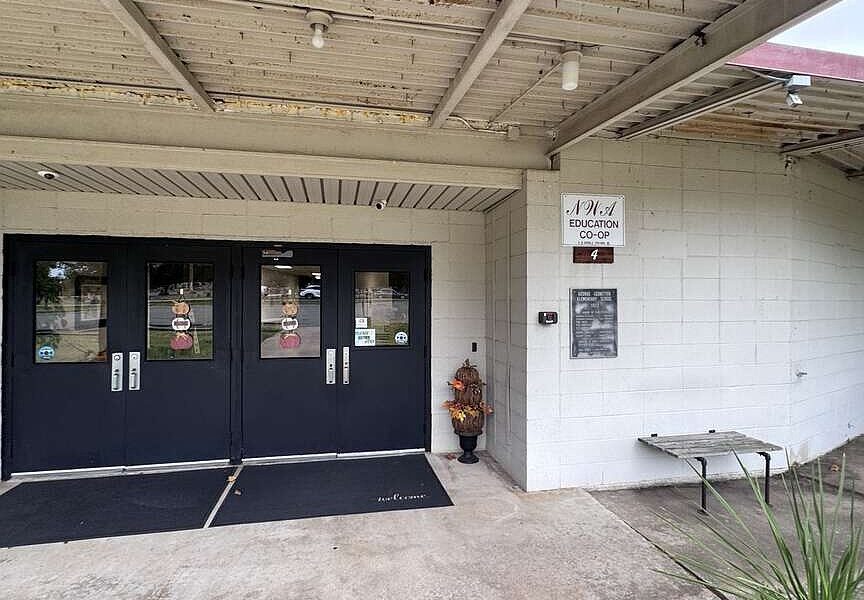
Rogers School Superintendent Jeff Perry is urging fellow school leaders across Arkansas to push for changes to the state’s Freedom of Information Act (FOIA) aimed at stopping its use for commercial purposes. Perry raised this call during a meeting of the Northwest Arkansas Education Service Cooperative board in Farmington on Thursday.
The Arkansas FOIA is designed to promote transparency by allowing public access to government records. However, Perry pointed out that some requests stretch beyond their original intent, being exploited for commercial gain instead of public interest. The proposed changes would tighten the law to prevent such uses, ensuring schools aren’t burdened with extensive record requests that serve private business motives.
Leaders from school districts across Benton County and the wider Northwest Arkansas region shared concerns about the volume and nature of these FOIA requests. Perry said that while transparency remains a priority, it’s becoming increasingly difficult for districts like Rogers to manage requests that demand extensive resources yet do not benefit the public.
The meeting at the cooperative’s Farmington offices gathered superintendents and administrators from the region, many of whom have faced similar challenges. The group discussed potential strategies to seek revisions in the FOIA that would keep accessibility intact but close loopholes that enable exploitation.
This development arrives amid ongoing conversations about government transparency and the administrative challenges public institutions face. For Rogers, which has the second-largest school district in the state, balancing transparency with operational efficiency is especially crucial.
Perry’s push to rally school leaders reflects a broader effort within Arkansas education circles to advocate for laws that recognize the unique demands placed on school districts. It also highlights the tension between public records openness and the practicalities of running large educational institutions in fast-growing communities like Rogers.
Since Rogers has grown into a regional hub with expanding schools and programs, Perry emphasized that not all FOIA requests serve an educational or public function. Some are tied to competitive business interests or other commercial agendas, which place a strain on staff and may divert attention from the district’s core mission.
The Arkansas Freedom of Information Act currently provides little recourse to reject or limit requests based on their intent, leading to what officials describe as a loophole. Changing the law would require legislative action, and Perry hopes the collective voice of Arkansas’ school leaders will spark momentum.
This isn’t the first time Arkansas education leaders have sought to refine how FOIA impacts schools, but Perry’s recent comments put renewed focus on the issue at a regional level. Alongside the Northwest Arkansas Education Service Cooperative’s support, the idea is to build a coalition that can communicate with lawmakers during the state’s next legislative session.
While specifics of the proposed legislation are still being discussed, education leaders prioritized the need to ensure public accountability remains intact. The goal isn’t to reduce transparency but to protect school districts from being overwhelmed by requests that serve commercial interests unrelated to public education.
School districts like Rogers continue to face administrative pressures as the region grows, with new facilities and thousands of students requiring constant attention. Perry’s request to fellow superintendents is less a complaint and more a call to action to shape a law that better fits the realities of public education in Arkansas.
The conversation echoes larger debates across the country about how open records laws balance transparency with operational efficiency. For Northwest Arkansas, the hope is that cooperation among education leaders will bring forward sensible changes tailored to the state’s needs.
In the meantime, districts are managing FOIA requests as best they can, mindful of public trust but also aware of the toll excessive or inappropriate demands take on district staff. Perry’s invite to other school leaders is likely to prompt further discussion in Rogers and beyond, as Arkansas schools navigate the complex relationship between transparency and administrative capacity.
Source: NWA Democrat Gazette