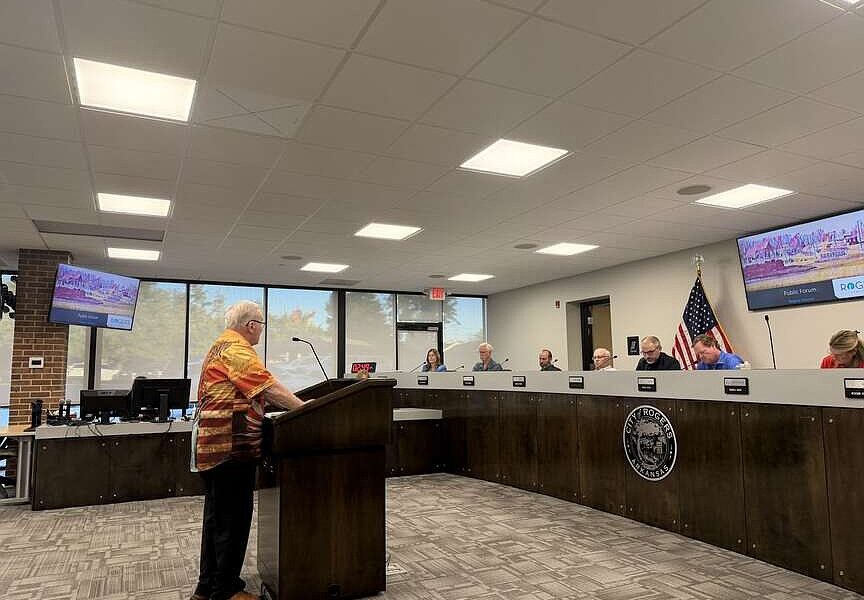
The Rogers City Council reversed course Tuesday, approving a rezoning request on Mount Hebron Road after initially rejecting it just weeks ago, prompting frustration among several residents who attended the meeting to express their opposition.
The rezoning in question would allow for higher-density development on a stretch of land along Mount Hebron, near the intersection with Pleasant Grove Road. The area, currently zoned for low-density residential use, has seen mounting interest from developers looking to add townhomes or other multi-family units amid the city’s rapid growth.
Council members first voted down the rezoning proposal in early September, reflecting concerns raised by neighbors about increased traffic, strain on local infrastructure, and preserving the existing character of the neighborhood. But on Tuesday, the motion to approve the rezoning passed by a narrow margin, 5-4, after additional presentations from developers and city planners highlighting potential benefits such as increased housing options and alignment with Rogers’ broader urban growth plan.
Resident David Stuart spoke during the public forum, voicing disappointment over the council’s reversal. “We feel blindsided by this decision. Our concern isn’t just about more houses — it’s about the safety, the traffic congestion, and the impact on school capacity already stretched thin,” Stuart said.
Others at the meeting echoed similar concerns, calling attention to Mount Hebron Road’s role as a key connector between downtown Rogers and surrounding neighborhoods. Many worry the increased density will transform a mostly quiet residential area into a congested corridor, especially as nearby developments like Pinnacle Hills continue to draw shoppers and commuters.
City planners noted that while traffic concerns are valid, the rezoning aligns with Rogers’ 2040 Comprehensive Plan, which emphasizes denser development near existing infrastructure hubs to manage sprawl. They also pointed out that the new zoning classification would require developers to meet certain standards for stormwater management and road improvements.
Still, opponents questioned whether those measures would be enough. “Promises don’t always translate to reality on the ground,” one resident warned. “We’ve seen traffic backups on Mount Hebron before, and more housing will only make it worse.”
The unanimous support of the council’s planning commission for the rezoning played a notable role in swaying some council members who previously voted against it. Several cited economic benefits, including increased property tax revenue and opportunities for new housing stock, which the city’s booming population demands.
Council member Katie Vest acknowledged the tough decision but said balancing growth with quality of life is an ongoing challenge. “No one is happy with every part of this,” she said. “But we have to look at the bigger picture of Rogers expanding, jobs coming in, and housing costs rising. This rezoning is part of managing that growth responsibly.”
The rezoning now paves the way for developers to submit detailed site plans and move forward with construction permits, subject to additional city review. The area around Mount Hebron Road — not far from established neighborhoods and commercial corridors — remains a focal point for development interest as Rogers tries to accommodate its expanding population without compromising green spaces or community character.
This approval comes as Rogers balances competing priorities: accommodating more people and jobs while addressing infrastructure needs and resident concerns. Mount Hebron Road’s fate reflects the broader tensions inherent in a city growing as quickly as Rogers.
Source: NWA Democrat Gazette