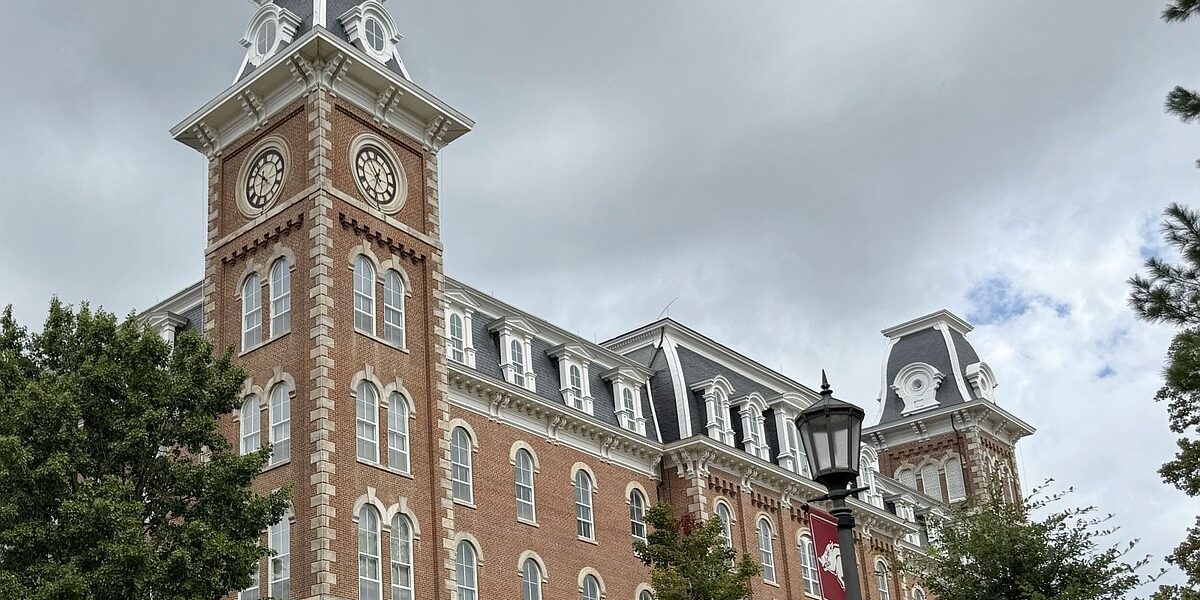
Reported rapes at the University of Arkansas in Fayetteville more than tripled in 2025, according to the university’s recent campus safety report. The report records 19 rape cases last year, a sharp increase compared to previous years. Yet, only five of those cases appeared in the Fayetteville campus police records, and it remains unclear whether any of the incidents led to criminal charges.
This jump in reported rapes also parallels an increase across other state universities, raising difficult questions about campus safety and how institutions handle sexual assault allegations. Arkansas universities, including UAF, are under growing pressure to improve reporting transparency and victim support.
To put this in perspective, a tripling of reported rapes on a university campus in a single year would alarm any community. In larger cities, similar increases often spark comprehensive reviews, policy overhauls, and public outcry. Here in Fayetteville, it’s a stark reminder that even growing college towns can face serious challenges in protecting students.
Campus safety reports are federally mandated and include detailed breakdowns of various crimes, but the discrepancy between the university’s report and campus police documentation points to potential gaps in communication or classification. It’s not uncommon for some cases to be handled internally or through campus judicial systems, which don’t always align with police records.
Still, the data shows a troubling trend. For students and families considering the University of Arkansas, this raises concerns over how sexual assault prevention and response measures are working in practice. Advocates have long warned that underreporting masks the real scope of campus sexual violence and complicates efforts to improve safety.
On a wider scale, the rising numbers at other Arkansas state universities suggest this isn’t an isolated issue. It calls for statewide attention from policymakers, university officials, and law enforcement agencies to evaluate current protocols and resources for survivors.
University leaders have acknowledged the increase and reiterated their commitment to fostering a safer campus environment, but details on new initiatives or enhanced support services haven’t been made public yet. Given how serious this is, communities in Northwest Arkansas will be watching closely.
Honestly, the tough truth here is that sexual assault is a problem in college towns across the country, but it’s especially jarring when the numbers spike this much, so fast. Fayetteville is growing quickly—so many young people, families, and students are drawn here—but that growth means institutions need to stay one step ahead on safety and transparency.
These figures also underscore the importance of creating a culture where survivors feel empowered to come forward and know they will be heard and protected. That means not only law enforcement but university staff, counselors, and peers must all play a role.
Source: NWA Democrat Gazette