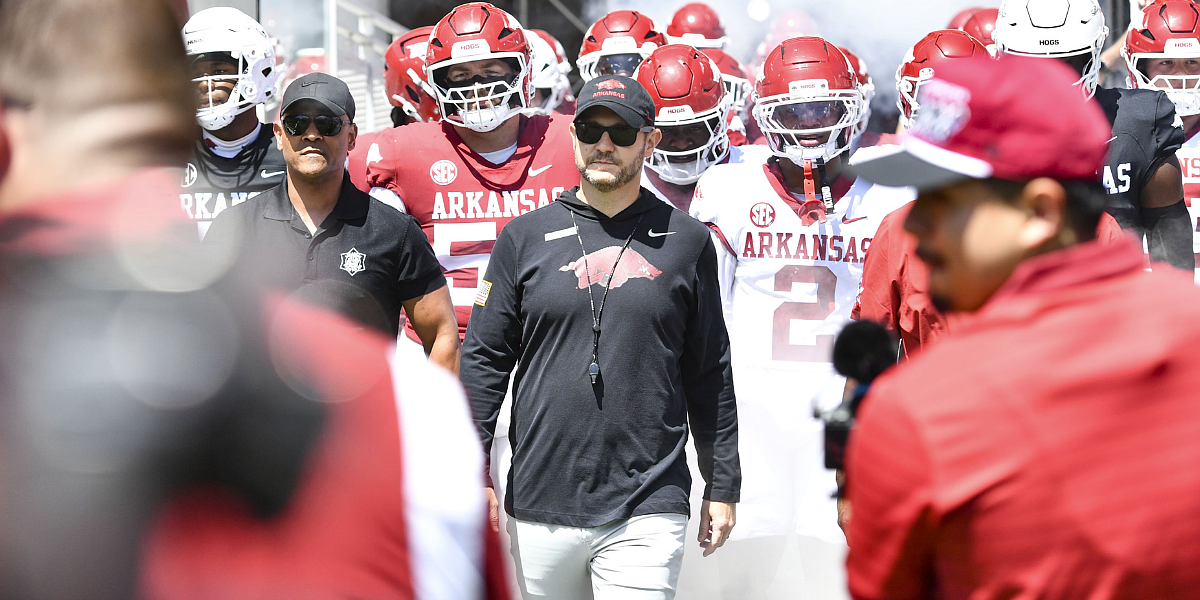
The red-and-white sea at Donald W. Reynolds Razorback Stadium was packed this past Saturday, but the conversation in the concession lines afterward had shifted. It wasn’t about the quarterback’s read option or the defensive line’s pressure up the middle. It was about the cost of the ticket itself, the mounting bills associated with season passes, and the reality that the Razorbacks are no longer just a university athletic department. They are a massive business in the midst of a chaotic overhaul.
A recent editorial in the Northwest Arkansas Democrat-Gazette argued this transformation is creating a legal and financial quagmire that threatens the foundation of collegiate sports, a cynical reality hitting Fayetteville taxpayers and donors hard.
The core of the issue is the diverging path of funding for University of Arkansas athletics. The Razorback Foundation, the independent fundraising arm that accounts for the vast majority of the program’s budget, reported record gross receipts again this fiscal year, passing the $120 million mark for the fifth straight year. While this ensured roster retention through lucrative NIL (Name, Image, Likeness) arrangements kept athletes in Fayetteville, it signaled a shift away from the era of student-athletes strictly funded by state revenue and gate receipts. F. Kay Dotson, chairman of the Razorback Foundation board, emphasized that without these record-breaking private donations, the competitive landscape of the SEC—which often requires rosters mirroring professional teams—would be impossible to navigate.
However, this financial independence comes with a price tag that the average NWA resident struggles to calculate. The editorial highlights that the “bedlam” of modern lawsuits and CFP negotiations is not abstract chatter. It is costing the system billions, resources that are being siphoned into the legal system rather than improving facilities for students or increasing ticket allocations.
The chaos isn’t just a problem for boosters. It creates a tangible financial burden on the community. When the focus moves from “student” to
Source: NWA Democrat Gazette