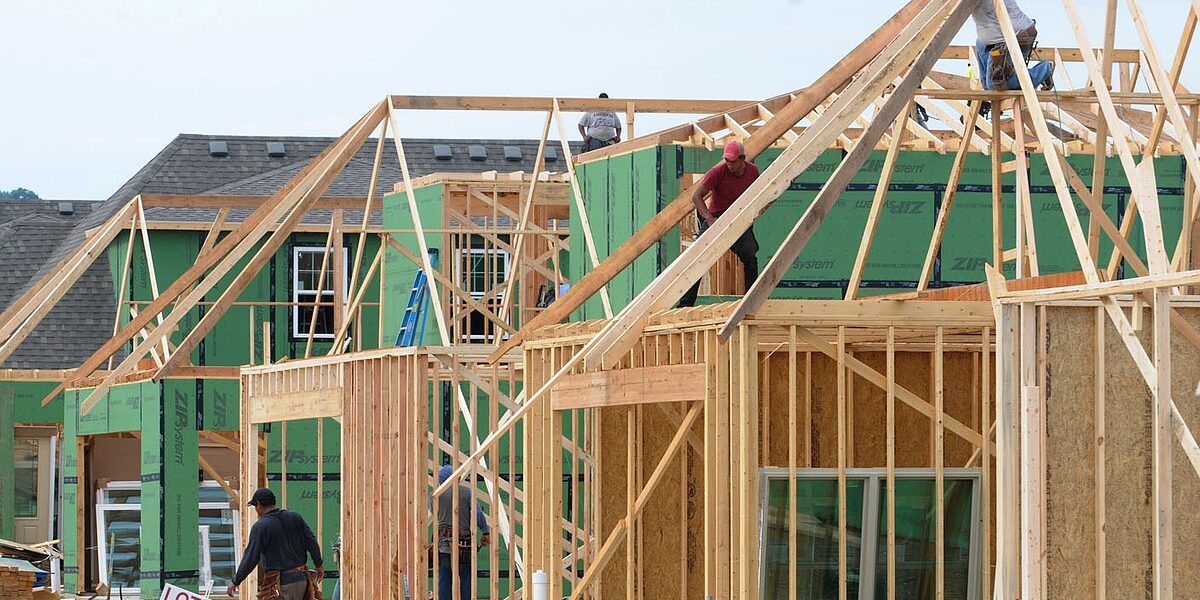
Home prices in Northwest Arkansas have eased up slightly after years of climbing, offering a glimmer of hope to buyers who have felt increasingly squeezed. But the relief is far from enough to turn housing into an attainable prospect for many in the region.
According to reporting from the Northwest Arkansas Democrat-Gazette, while price growth has slowed, affordability challenges remain entrenched. Local households are still struggling to keep up with costs that consistently outpace income growth and inflation.
For years, NWA’s booming job market, driven in large part by Walmart’s Bentonville headquarters and a surge in tech and service jobs, has corresponded with an equally robust demand for housing. Fayetteville, Rogers, Bentonville, and Springdale have seen sprawling neighborhoods emerge, along with steady construction activity along corridors like West Tuscan and North Malbec Roads. However, the pace and price of new homes haven’t matched what many buyers can reasonably afford.
That imbalance hasn’t just complicated buying a first home. It affects folks with modest salaries—the nurses, teachers, retail workers, and others who keep the local economy humming but often find themselves priced out of homeownership or even the rental market. The editorial notes that while there’s been some cooling in prices, homeownership remains a stretch for many, particularly younger residents and lower-income families.
Slowdowns in price increases are welcome but not a solution on their own. Construction continues but hasn’t yet met the scale or diversity of housing stock required to truly ease pressure on prices. Plus, option choices that might attract workforce households—smaller homes, more affordable rentals, or homes in less expensive neighborhoods—are still hard to come by in key parts of Benton County.
Housing affordability doesn’t just impact individual families; it ripples through the broader Northwest Arkansas economy. If teachers, nurses, and public servants are forced to live hours away or spend disproportionate income on housing, the entire community feels the strain. Issues like longer commutes add stress and reduce time for family and community engagement.
Local leaders and policy makers have grappled with this dilemma for years. Efforts to encourage diverse housing development and zoning adjustments have been underway, but the editorial suggests these reforms haven’t yet kept pace with the growth and complexity of NWA’s housing market. The region’s growth trajectory isn’t expected to slow soon, so the affordability gap could widen further without meaningful, coordinated action.
For now, homebuyers in NWA will likely watch prices carefully while bracing for ongoing challenges. The modest drop in price growth is worth noting but not celebrating too broadly—especially for those trying to break into a market where paycheck-to-mortgage math is still uncomfortable at best.
This situation ties into other community conversations about transportation, workforce, and economic development. For instance, the Northwest Arkansas commission’s recent study of tolls for I-42 funding reflects broader concerns about how infrastructure investments might support more balanced growth—including housing access—in coming years.
Source: NWA Democrat Gazette