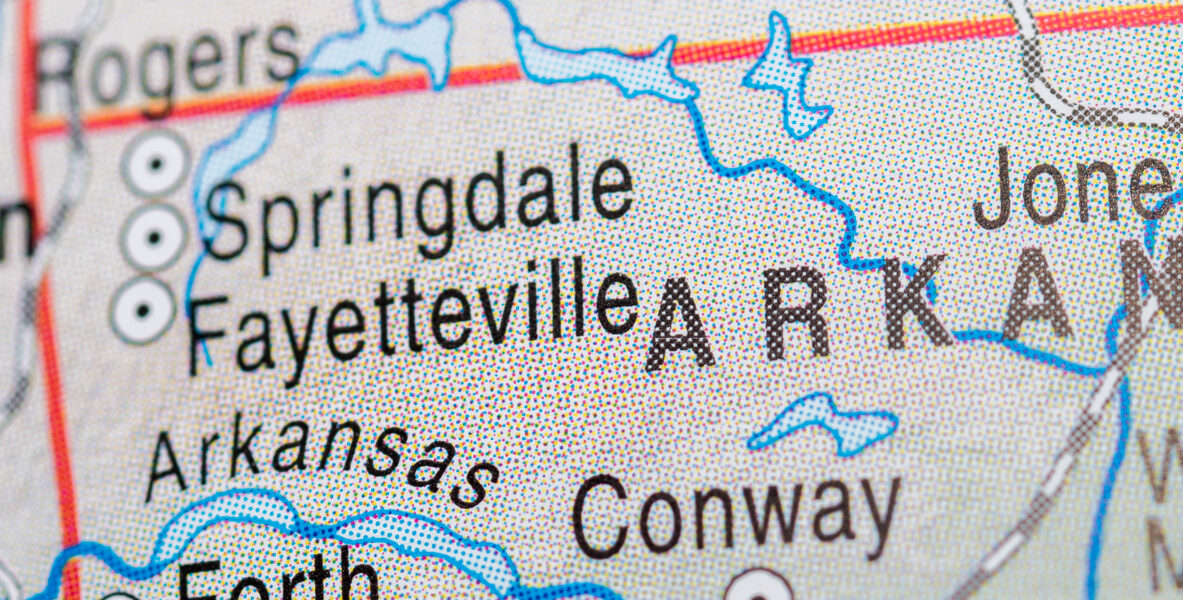
Washington and Madison County Quorum Courts have formally rejected a proposal to create a regional industrial development authority, ending a two-year effort to create a centralized mechanism for land banking and economic development in Northwest Arkansas.
The Northwest Arkansas Regional Industrial Development Authority was intended to purchase land and handle the site preparation required to attract manufacturers. Instead, the push for a multijurisdictional approach collapsed Tuesday, with Madison County officials voting against a refund of $3.5 million that had been allocated to the initiative, and Washington County following suit.
The Funding Mechanism
The authority functioned under a plan to assess a local option sales tax (LOST) above the state-mandated reduction. The economics of the deal relied on the ability to collect this tax revenue across multiple jurisdictions to spread the cost of acquiring and developing raw acreage for industrial parks.
Madison County Quorum Court members voted not to refund the initial funding, effectively blocking the creation of the taxing district. Washington County Judge [Insert Name if available from source, otherwise refer to “Judge Rainey”] declined to grant the business permit deduction necessary to move the plan forward. Without the taxing ability in the two largest counties in the region, the authority cannot function.
The Arkansas Economic Development Commission (AEDC) has managed industrial agencies in the past, including the Fort Smith Regional Intermodal Park, as a way to jump-start development. The Northwest Arkansas Regional Industrial Development Association had sought similar centralized authority for the growing corridor from Rogers to Springdale.
Centralized vs. Fragmented Approach
Economic developers in Northwest Arkansas have long cited the fragmentation of local government as a hurdle when competing with affiliates of major corporations. Site selectors often demand specific platting and infrastructure readiness before committing to a new facility, a timeline that can take years if handled by multiple separate county code enforcement boards.
advocates for the regional model argued it would create a ” shovel-ready” inventory of sites crucial for retaining existing logistics operations and attracting new manufacturing jobs. A spokesman for the Northwest Arkansas Industry Association said the lack of a regional tool forces economic developers to rely on smaller, fragmented incentives packages approved by individual county governments.
The fractured approach increases the time it takes to convert raw land into industrial space. Often, this lag is cited by national site selectors as a reason to target investment in other states with faster development timelines.
The Road Forward
Efforts to revive the regional authority are now expected to delay until the 2027 legislative session. Lawmakers will have to reinstall the local option sales tax provisions and convince county commissions to overcome fiscal concerns about debt issuance for land acquisition.
Statewide projections estimate that Northwest Arkansas will add over 30,000 jobs in the industrial and logistics sector over the next five years. Without the centralized authority, the burden of site preparation falls entirely on the Avalon Board, Rogers-Lowell Chamber of Commerce, Benton County Industrial Foundation, and individual county
Source: Arkansas Business