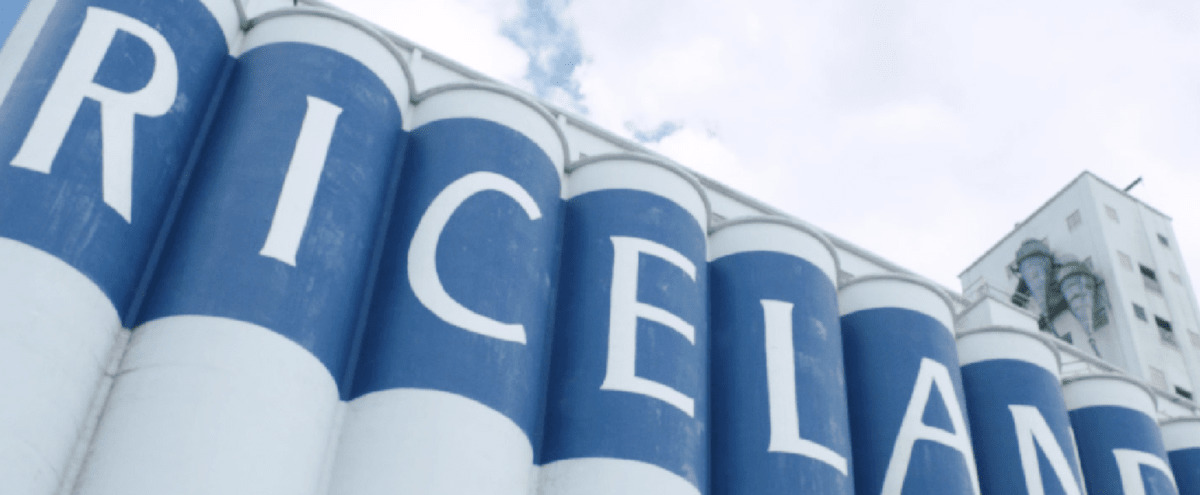
Nine Riceland Foods rice drying facilities in eastern and southeastern Arkansas have temporarily closed due to a sharp decline in rice supply, underscoring mounting economic pressures on the Arkansas rice industry. Riceland, a key player in the state’s agricultural economy, made the decision amid ongoing challenges that have affected harvest volumes and operational costs.
The closures span multiple sites stretching across eastern and southeastern parts of the state, areas historically known for rice production. While the temporary shutdown is a response to supply shortages, it also reflects broader market difficulties impacting rice farmers and related businesses.
Rice drying facilities are crucial to ensuring harvested rice is appropriately processed to maintain quality before reaching mills and distributors. When these drying operations pause, it disrupts the supply chain, potentially delaying shipments and increasing backlog within a tightly timed harvest season.
Riceland Foods, headquartered in Stuttgart, Arkansas—which is often called the “Rice Capital of the World”—is by far the largest rice miller and marketer in the state. This company influences the livelihoods of thousands of farmers, processors, and downstream workers. The temporary closures could ripple through local economies that depend heavily on rice agriculture.
Unlike big-city ag processors that can operate near multiple, diverse crop zones, Riceland deals exclusively with Arkansas’ rice harvests. When the harvest dips, or weather impacts the crop’s yield or quality, facilities like Riceland’s must adjust quickly. This makes the regional rice economy particularly vulnerable, and the current closures reveal those vulnerabilities plainly.
The Arkansas rice industry has dealt with a series of headwinds in recent years, including labor shortages, fluctuating export demand, and rising input costs. These factors have tightened profit margins for farmers and companies alike. Rice production in Arkansas accounts for more than 40% of all U.S. rice output, so the disruption affects the nation’s rice supply chain, not just the state.
Locally, this news raises concerns about jobs and economic stability in agricultural communities. While the closures are temporary, each shutdown adds stress to families who count on steady work during harvest season. It’s a reminder that even staple crops like rice face intense economic pressures that can lead to unpredictable changes.
This situation arrives amid other agricultural industry challenges in the region, from policy debates to market shifts. For the local workforce and small towns clustered around these rice fields, every plant closure represents lost hours, fewer income opportunities, and increased uncertainty.
Riceland’s action also calls attention to the need for innovation and support across rural Arkansas agriculture. Investments in technology, expanded crop insurance programs, and efforts to diversify farming operations could help cushion future shocks. State policymakers and industry leaders might find a chance here to reassess how best to keep Arkansas rice competitive and stable.
Meanwhile, the ripple effects of these closures will be felt as the season progresses. Local businesses that supply farming inputs, transportation, and processing services may also see a downturn tied to lowered facility activity.
For Northwest Arkansas, while not the center of rice production, understanding these economic dynamics is vital given the region’s deep ties to agriculture through food distributors and retail chains. Regional players like Walmart and Tyson Foods depend on stable agricultural outputs for their supply chains. Last year’s Walmart settlement over delivery practices and ongoing shifts in distribution logistics only add complexity to this ecosystem.
Riceland’s situation is a stark example of how agricultural economies remain closely linked to nature’s unpredictability, global trade currents, and local market conditions. The temporary shutdowns at these nine facilities serve as a clear signal that stability in this sector isn’t guaranteed and requires continuous adaptation.
For families and workers in Arkansas’s rice belt, this pause is more than a number on a balance sheet—it means weighing how best to weather a tough season while holding onto hope for a stronger one ahead.
Source: Talk Business & Politics