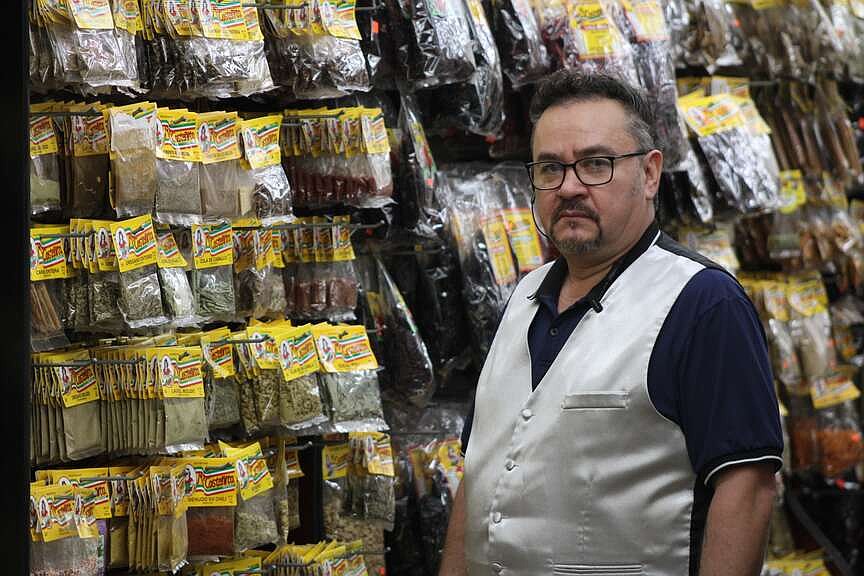
Mario Rubio, who manages El Ranchito Supermarket in Springdale, watched his Tuesday afternoon sales drop off in a way that had nothing to do with the weekly grocery rush. Rumors circulating on social media falsely claimed that U.S. Immigration and Customs Enforcement officers had detained customers and employees inside the store. In reality, law enforcement officials had arrived to conduct a routine inspection of payment terminals as part of a regional initiative to combat bank fraud. The incident highlights a trend in Northwest Arkansas where misinformation spreads faster than the truth, impacting the local economy and eroding the confidence of business owners who keep the region’s retail sector moving. Rogers and Springdale grocery stores operate on a model of high foot traffic and daily necessity. When a rumor suggests that law enforcement is actively detaining people inside local businesses, the commercial impact is immediate. Rubio told the NWA Democrat-Gazette that the false narrative drove customers away. The store relies on Hispanic and local families who rely on consistent access to groceries and the local payroll. The fear of the unknown stops the commerce. The false rumors regarding August 31 had deep roots in local community conversations. Several area business owners told the Gazette that misinformation about ICE activities this summer caused broader panic. The persistence of these rumors suggests a disconnect between official law enforcement statements and the information circulating on digital platforms. While the specific target of ICE this week was payment terminal security, the reaction from the community reflects a deeper anxiety about enforcement priorities in Northwest Arkansas. ICE maintained that their presence was strictly about financial crime detection, specifically looking at discrepancies in reporting at cash registers to identify potential money laundering schemes. For a business owner like Rubio, the distinction between enforcement types does not immediately stop the bleeding of revenue. When a customer feels unsafe entering a store, they vote with their feet. The loss of those transactions adds up. Food and supply chains depend on consistent throughput. When the community pauses because of rumors, the bottom line of Latino-owned enterprises—which make up a growing segment of the NWA economy—suffers. This dynamic is not unique to a single location. Multiple owners reported seeing an effect from the spread of rumors on social media throughout the summer. The anxiety suppresses the economic activity necessary for these businesses to hire staff, purchase inventory, and pay taxes that support local infrastructure. Fact-checking and accurate communication from businesses and community leaders become essential tools in counteracting this economic volatility. Trust is a commodity that costs nothing to maintain but is expensive to rebuild once broken. In the grocery sector, trust turns browsers into buying customers. Benton County and the city of Springdale continue to see steady growth, but reports like those from El Ranchito Supermarket serve as a reminder that the economy is supported by human behavior. Fear is a natural human response, but in a community trying to build a diverse economic base, unchecked rumors threaten to suppress the labor force and the consumer base that drives growth. Supporting local business owners at this stage means verifying information before sharing it. It means showing up to support the Hispanic community-owned shops and markets that anchor the local grocery landscape. If you see unverified claims regarding law enforcement activities in your
Source: NWA Democrat Gazette