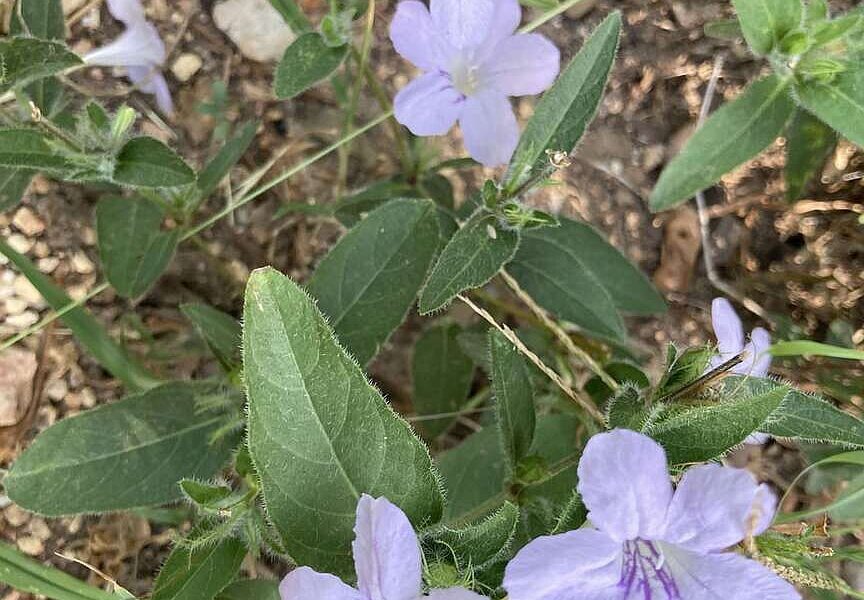
Leaf mountain mint wildflowers brighten the North Forest Trail at Crystal Bridges Museum of American Art in Bentonville this August, offering visitors a fresh splash of green and white amidst the late summer foliage. The delicate blossoms have captured attention not only for their subtle beauty but for their practical uses, as noted on educational signage placed nearby the plants.
The leaf mountain mint, a native wildflower, releases a soft aroma that hints at its minty heritage. This plant’s leaves contain essential oils that, when brewed, make a fragrant tea enjoyed by some for its mild flavor and calming qualities. Outdoor explorers along the trail also learn that these same leaves serve as a natural mosquito repellent, lending the plant a functional presence beyond its role in the landscape.
As the trail curves gently through the museum’s wooded areas, the mountain mint’s fresh scents mix with the earthy notes of summer leaves and sun-warmed soil. The plants grow clustered in patches, their silvery-green leaves topped with small white blossoms that attract a variety of pollinators. Bees and butterflies hover lightly, drawn to the nectar amid occasional bursts of warmth in the otherwise shaded surroundings.
Crystal Bridges Museum of American Art, known primarily for its collection and architecture, also maintains commitment to fostering native plant species along its miles of walking trails. The wildflowers and native foliage contribute to the site’s living ecosystem, offering habitat and food sources essential for local wildlife. The North Forest Trail, where the leaf mountain mint now flourishes, provides a serene counterpoint to gallery visits, enhancing visitor experience with natural discovery.
In early August, wildflowers usually wane under the summer’s heat, but mountain mint thrives. Its resilient stems and aromatic leaves are a testament to the plant’s adaptability in the Bentonville climate. The plant is sturdy yet approachable, prompting frequent stops along the trail by families, nature lovers, and photographers eager to capture the blossoms’ understated charm.
Informational markers posted near the plants encourage visitors to engage with the wildflower on more than a visual level. They detail the mountain mint’s traditional and contemporary uses, widening appreciation for this humble species. The herbal tea brewed from its leaves is said to refresh with a subtle coolness, while its qualities as a bug deterrent reflect long-standing environmentally friendly practices.
Several families have been noticed pausing to smell the leaves or read the signs, a subtle reminder of the trail’s role in education as well as recreation. Parents explain the concept of native plants to their children, teaching how local flora supports healthy environments and why preserving them matters. The mountain mint, though common in some parts of the region, serves as a lively example of local biodiversity that might otherwise go unnoticed.
This seasonal bloom at Crystal Bridges aligns with the museum’s rare blend of art, nature, and community engagement. By spotlighting native plants like leaf mountain mint, the museum enriches its cultural offerings with natural history. Walking the North Forest Trail during these weeks connects visitors physically and intellectually to the landscape, bridging human creativity and natural processes.
Photographers and nature enthusiasts can find extensive galleries showcasing the wildflowers’ delicate forms and light-dappled leaves on the NWA Democrat-Gazette website, offering close views of the blooms beyond what one might catch in a stroll. These images capture subtle textures—the way sunlight catches on mint leaves, the tiny blooms’ clustered symmetry, and the occasional flutter of an insect wing.
For those who choose to visit, the trail offers more than a visual treat. It delivers an olfactory experience that fills the late summer air with herbal crispness. The presence of leaf mountain mint is a quiet but persistent reminder of the season’s richness and the ecosystem’s intricate balance.
The North Forest Trail remains accessible year-round, and the tapestry of native plants changes with each season. But the leaf mountain mint’s August bloom stands out for its scent and utility alike. Those who walk the trail now can enjoy a sensory moment that reconnects them with local nature in a way both fragrant and functional.
Source: NWA Democrat Gazette