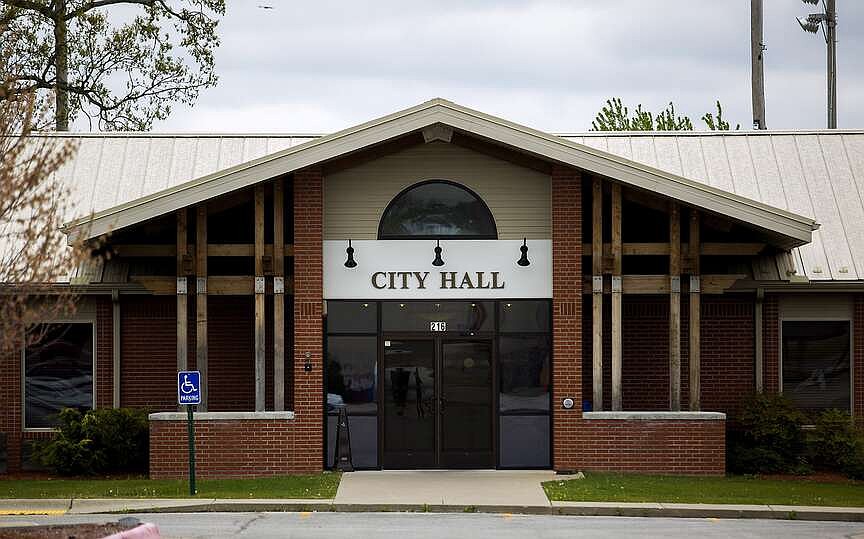
Lowell City Council members put a pin in any immediate changes to the city’s use of Flock Safety automated license plate reader cameras after a Tuesday meeting that saw lots of questions but no final decisions. A resolution introduced by Councilmember Justin Bird sought to ban deployment of the Flock Safety system within city limits, sparking a detailed discussion mostly about privacy, technology, and who gets to decide how these devices are used.
The proposed resolution came on the heels of growing debate countrywide over Flock Safety’s role in policing and surveillance. These cameras, mounted on poles or private property, scan passing car license plates and cross-reference them against databases to help law enforcement investigate crime. But critics argue that they also raise concerns about privacy and data security.
Bird’s resolution would have prevented any new installations of Flock Safety devices and potentially sought to disable existing ones—or at least halt their usage by the city itself. The council’s conversation was long and thoughtful, but the decision to postpone a vote reflects the complexity of the issue for Lowell, a city navigating its own approach to public safety while balancing citizens’ rights.
Councilmembers questioned whether the city had enough information to outright ban the technology. Questions came up about the duration Flock stores plate data, who can access it, and how safeguards are implemented. Several councilmembers expressed concern that banning the system without fully considering alternatives might hobble crime prevention efforts. Others worried about the potential for misuse or the chilling effect on residents’ privacy.
One sticking point was the current city policy on Flock Safety’s deployment. Lowell already has some cameras installed on certain public thoroughfares and private properties, largely through partnerships with neighborhoods and businesses aiming to deter car theft and burglaries. The systems have generated periodic police leads, city officials confirmed, but the question lingered: at what cost to community trust?
During the meeting, several citizens joined the discussion, emphasizing the need for clear policies that protect privacy while enabling law enforcement tools. Suggestions floated included more stringent data retention timelines, transparency reports, and public input before new cameras go up. Some attendees recommended exploring alternative technologies or more community-centered safety initiatives instead of banning tools outright.
Lowell’s City Attorney noted the difficulty in crafting an enforceable ban given evolving case law and state regulations. That contributed to the council’s consensus that any move toward banning or heavily restricting Flock Safety cameras requires more research and public engagement.
For now, the resolution will likely be rewritten with feedback incorporated and returned for consideration in coming meetings. In the meantime, the city continues to watch how similar communities in Northwest Arkansas and beyond manage these high-tech surveillance tools.
Lowell’s conversation echoes broader discussions happening in Bentonville, Rogers, and Fayetteville, where local governments weigh the benefits of modern crime-fighting methods against preserving residents’ privacy and civil liberties. This balancing act is especially delicate in areas with expanding populations and traffic congestion, where Flock’s cameras promise a sharper set of eyes on the streets.
Whether Lowell eventually decides to regulate, restrict, or keep the Flock Safety system active, Tuesday’s discussion underlined a key point: residents and officials alike want policies that are transparent, fair, and responsive to community values—not rushed decisions.
Lowell’s next steps on this front will be closely watched by other Benton County cities working through similar technology dilemmas. For now, the debate remains open.
Source: NWA Democrat Gazette