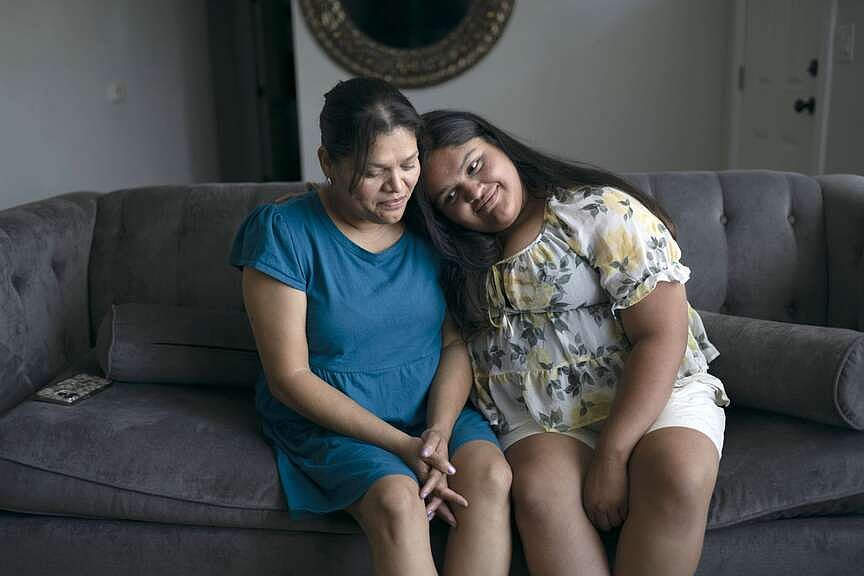
Immigration authorities detained Eduardo Chavez in Springdale on March 11 during what was supposed to be a routine appointment with immigration officials. For the Chavez family, that moment turned their lives upside down.
Eduardo, 46, is remembered by his wife Maria Chavez and their children as a hardworking father and the primary breadwinner in their household. His wife, Maria, who is a U.S. citizen, had filed a petition to keep the family together—an effort now stalled amid a tightening immigration crackdown.
Since his detention, Maria and their three children have been left to navigate an increasingly complex legal landscape with limited options. Their community in Springdale, where immigrant families are woven into the fabric of local schools, businesses, and neighborhoods, has seen several families face similar challenges.
Natalie Chavez, the couple’s oldest daughter, says the family’s uncertainty grows every day. Legal proceedings have been slow, and the mounting legal fees, coupled with the lack of Eduardo’s income, have added financial strain. “We’re trying to keep things normal for the kids, but it’s hard when their dad isn’t here,” she says.
Eduardo’s arrest happened during a wave of immigration enforcement that has heightened fears among immigrant communities across Northwest Arkansas. For families like the Chavezes, the consequences are immediate and deeply personal.
Maria Chavez’s petition, intended to regularize Eduardo’s status and reunite the family, remains in limbo. With stricter policies and limited resources, many families face long waits and uncertain outcomes. Legal experts say that the current climate complicates the legal routes once available to immigrants detained or deported.
Springdale’s local support organizations have reported an increase in calls for legal aid and family services since the crackdown began. These nonprofits work with families to provide guidance through the complex immigration system but are stretched thin by the demand.
“It’s not just about paperwork. It’s about people torn apart, children worried about their parents, families struggling to keep their homes,” says a representative from one local immigrant advocacy group. “We’re seeing heartbreaking situations that need more community attention.”
The fallout isn’t just emotional. Economically, the absence of a primary earner like Eduardo hits families hard, often forcing older children to take on jobs or forcing spouses to scramble for additional work. For the Chavezes, a household once supported by Eduardo’s steady income, the shift has been dramatic.
Despite the uncertainty, Maria remains determined to keep the family safe and together. “We don’t know what the future holds, but we keep hoping and fighting,” she says.
Stories like the Chavez family’s highlight the broader human cost of immigration enforcement policies local to Northwest Arkansas. Families caught between legal barriers and enforcement actions often find their lives suspended in an unsettling holding pattern.
Source: NWA Democrat Gazette