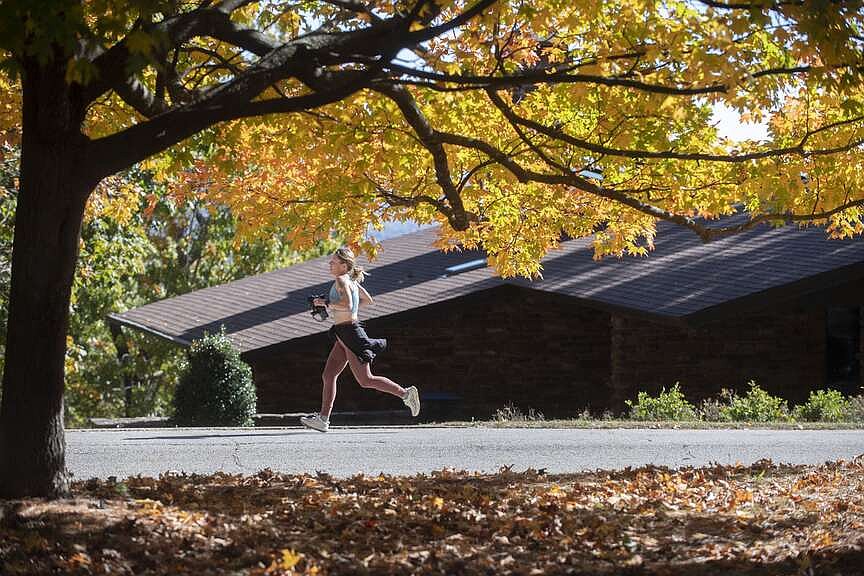
The dry weather gripping Northwest Arkansas this year is likely to dull the region’s fall colors, dimming what has long been a highlight for both locals and visitors. Experts warn that ongoing drought conditions could leave autumn foliage looking less vibrant than usual, potentially impacting the tourism that flows through Benton County and beyond each year.
Natalie Clay, an associate professor of entomology and plant pathology at the University of Arkansas in Fayetteville, points to the prolonged lack of moisture as a key factor. Trees stressed by drought don’t produce the rich palette of reds, oranges, and yellows that typically draw leaf watchers along roads like Scenic 112 and popular trails around Mount Sequoyah. Instead, the canopy might offer a more muted, subdued display.
“When trees don’t get enough water, the pigments responsible for fall color aren’t produced as strongly,” Clay explains. “This can lead to leaves turning brown and dropping early, rather than transforming into the vivid colors people expect.”
Fayetteville’s Skyline Drive, usually crowded with joggers and photographers this time of year, might see fewer visitors come late October as the foliage disappoints. In Rogers and Bentonville, where both residents and tourists rely on the leaf season for weekend outings or scenic drives, the drought’s impact could also hit local businesses that count on those autumn hikes and photo ops.
Northwest Arkansas is no stranger to fluctuating fall colors. Years with ample rainfall generally bring the strongest displays, while dry years—even if not full droughts—have historically produced shorter seasons or less impressive color shifts. But with this summer’s extended dry stretch reaching into early fall, forecasters suggest the usual explosion of reds and golds may be underwhelming.
This outlook comes at a time when local tourism officials have been working to boost the region’s visitorship, featuring the Ozarks’ natural beauty alongside growing attractions like the Walmart AMP and new developments downtown Bentonville. Though the crystal-clear blue skies are a plus, the leaf color is a big part of why many out-of-towners pick Northwest Arkansas as their fall getaway.
The drought’s effects on trees might also ripple beyond the palette. Native plants and the insects that rely on them could face additional stress if dry conditions persist, possibly altering the natural rhythms that make the Ozarks such a rich seasonal destination. Clay notes that the health of trees this fall could influence how resilient they are heading into winter, affecting the forests in future years.
Locals hoping for a bounce-back in color should watch the weather closely. A cool stretch of wet weather before leaves begin to change can sometimes rescue the season, but as of early September, the forecast isn’t calling for much relief. In Bentonville’s picturesque Crystal Bridges area, where the arboretum serves as a focal point for autumn nature walks, a lackluster color season could mean quieter weekends than usual.
Meanwhile, those who usually flock to NWA’s leaf-peeping routes might want to adjust their expectations — or consider alternative outings, like stopping by the art galleries in downtown Fayetteville or catching a show at the AMP, which recently added Mumford & Sons to its lineup.
Still, even in a dry year, the unique landscape of Northwest Arkansas offers plenty to explore. The Arkansas River and its trails, sprawling parks, and the changing hues of evergreen species provide color and texture beyond the classic fall foliage.
For businesses and tourism groups, the drought reminds everyone how much the region depends on its natural environment—both for local quality of life and economic vitality. It also highlights the need for ongoing efforts around water conservation and forest health to keep Northwest Arkansas vibrant through all seasons.
Source: NWA Democrat Gazette