Arkansas lawmakers are set to increase spending significantly on private school vouchers, a decision that has sparked concern among those who argue that the state’s public schools are being left behind. The proposed budget highlights a substantial boost in funding for vouchers, designed to help parents send their children to private schools, yet offers no significant increase for the public school system, which serves approximately 94% of the state’s students.
This move has stirred debate in Northwest Arkansas, where public schools like those in Bentonville and Fayetteville are the heart of the community. Parents and educators are beginning to question the priorities set by the state’s leadership and the potential long-term impact on public education. Many are worried that this shift could exacerbate existing inequalities, particularly for students who rely on public schools for a stable learning environment.
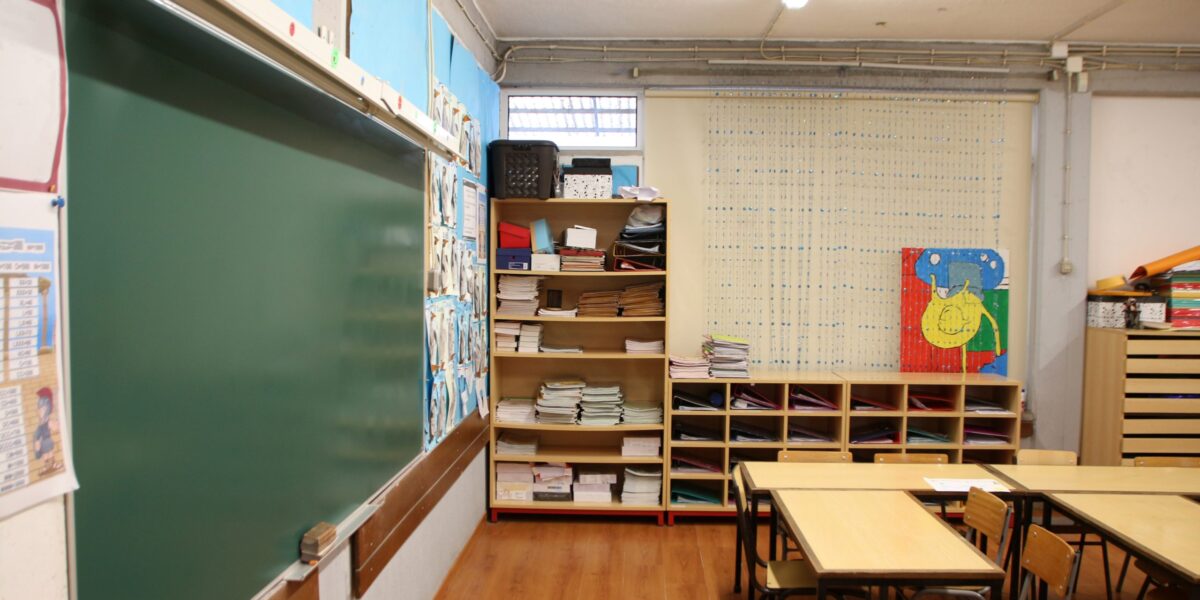
The voucher system, while beneficial for some, doesn’t address the needs of the majority of students who remain in public education. In districts like Rogers and Springdale, where classrooms are already feeling the pinch from budget constraints, the absence of increased funding could mean larger class sizes and fewer resources for students and teachers alike.
Critics of the budget emphasize the lack of transparency in how decisions are made. They argue for a more balanced approach that strengthens public education while exploring alternative options for those who choose private schooling. The concern is that without adequate investment, the public school system’s ability to provide quality education could deteriorate, impacting the broader community and regional growth.
This issue comes at a time when education and infrastructure are hot topics across the state. Just recently, the Northwest Arkansas commission announced plans to study tolls for I-42 funding, a move reflecting the region’s growing needs and the complexities of managing resources effectively.
As Northwest Arkansas continues to grow, with its unique blend of cultural and economic dynamism, local communities are keenly aware that the state’s educational policies will play a crucial role in shaping the future. The conversation around voucher spending and public school funding is far from over, and residents await further actions from their representatives.
Source: Arkansas Times