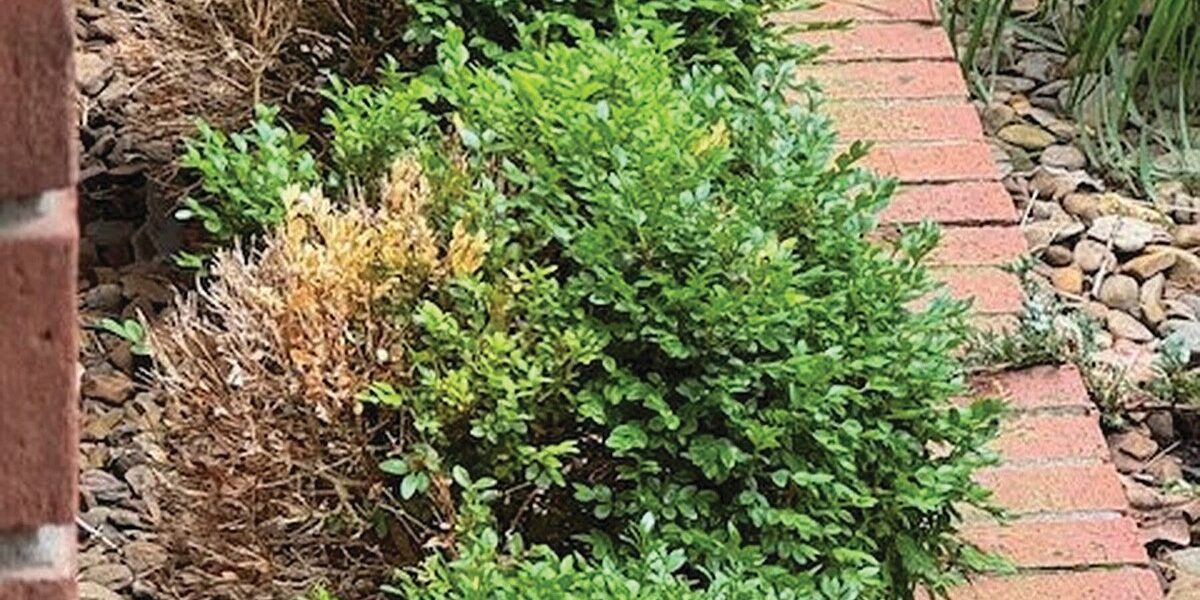
honestly, dealing with the wreckage after last year’s tornado was hard enough. Trying to keep 20 small boxwoods alive in the transition feels like a full-time job. They wintered well after planting last spring, bounced back from the late freeze, but then branches started dying off in May. The plant looked healthy generally, but individual limbs turned brown and crispy. It’s a weird spot to be in, watching a shrub you just planted with your own money slowly surrender parts of itself to the heat.
Dr. Janet B. Carson with the University of Arkansas System Division of Agriculture gets it. She says she is hearing this specific complaint from folks all over Northwest Arkansas. The culprit isn’t a bug or a fungus. It’s a mix of transplant shock and winter burn. Essentially, the boxwoods are dealing with dehydration.
Why do they look dead even when they aren’t?
First, let’s talk roots. When you move a plant—especially 20 of them right after a tornado—roots get disrupted. If those roots aren’t happy, the plant can struggle to pull water up to the top. In the summer, especially with a late freeze recovery, the top leaves are violent about staying green. They force nutrients out, demand water, but the root system is still catching its breath.
Then you throw in winter burn. Boxwoods are broad-leaf evergreens. In colder climates like here in Arkansas, it’s a gamble. During the winter, the ground can freeze, and roots shut down to save themselves. But the leaves are still exposed. They release moisture through tiny pores, just like they do in summer heat. If the roots can’t replace that water, the leaves dry out from the tips down. By May, if that stress continued or combined with the energy cost of re-growing after a freeze, the branches just gave up.
The fact that some yards are heavy on the damage while others are untouched shows you just how fickle our soil and weather can be. You could have the same soil in Rogers and Bentonville, but micro-climates in the yard—shade, sun exposure, wind—theory—could mean the difference between a loss and keeping the green.
What to do now?
Don’t start whacking with the hedge trimmers yet. This is the most important part. You can’t diagnose death by looking at the brown tips in the middle of spring. Carson recommends patience. Wait until the plant has a chance to push out new growth. If those dead branches have green buds at the base or green tissue underneath the bark, the plant is fighting back. It might take a while to fully recover, but most boxwoods are tough enough to come back from this with a little help.
If the entire branch is brown all the
Source: NWA Democrat Gazette