Attendance at two recent cultural festivals in Northwest Arkansas dropped noticeably, immigrant rights advocates say, attributing the decline to fears sparked by increased U.S. Immigration and Customs Enforcement (ICE) activity and a backlash fueled by misinformation. Organizers and community leaders point to heightened anxiety among immigrant communities, which has dampened participation in events intended to celebrate heritage and foster connection.
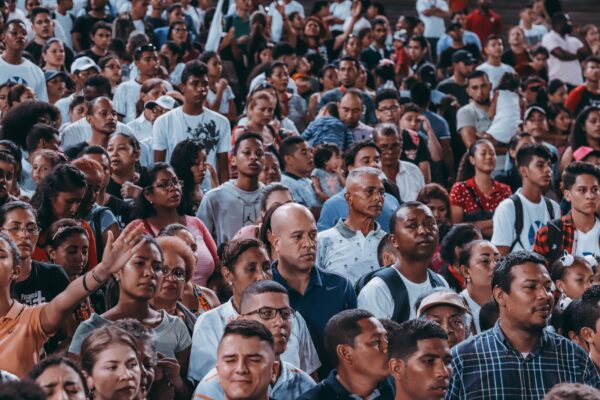
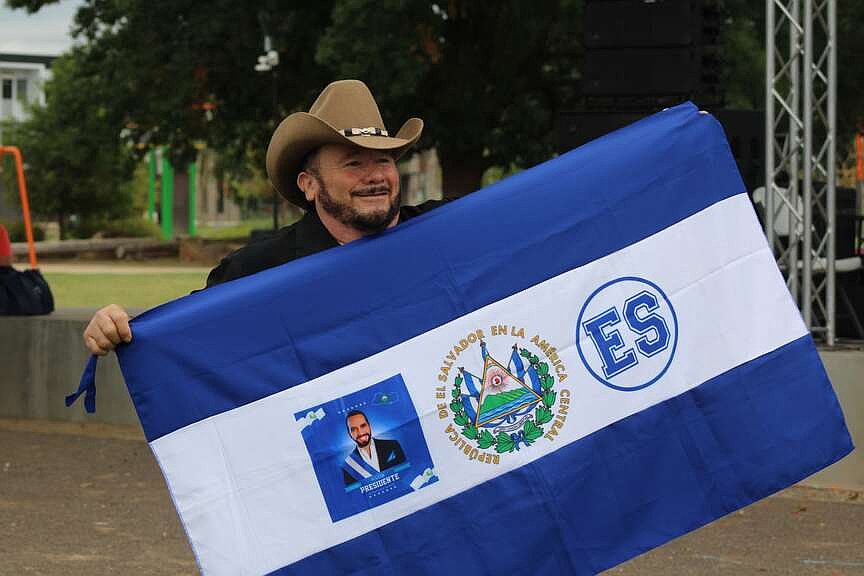
The Salvadoran Festival held on August 1 at Luther George Park in Springdale drew fewer attendees than in previous years, an outcome local advocates link to tension surrounding federal immigration enforcement. The festival, traditionally a gathering where families share food, music, and culture under the summer sun, saw marked absences from those who usually populate the space with vibrancy and warmth.
Carlos Mendez, an organizer affiliated with a Northwest Arkansas immigrant rights group, described the atmosphere leading up to the event as heavy with uncertainty. “Many people we spoke to said they were scared to attend because of rumors and fears that ICE might be monitoring public festivals,” Mendez said. “It’s heartbreaking because events like this are supposed to be safe spaces for the community.”
The concerns arose amid recent reports of ICE’s increased presence and activity in Arkansas, contributing to a climate of surveillance and mistrust. For immigrant families, the stakes are high: a misstep could mean detention or separation, a constant shadow that has sapped the usual enthusiasm for public gatherings.
Misinformation circulating on social media and community channels compounded the problem. False claims about law enforcement raids targeting festivalgoers circulated widely, prompting many to stay home, prioritize safety, and avoid public places where they felt vulnerable.
At the heart of these gatherings is food—plates heaped with pupusas, tamales, and fresh fruit, aromas mingling with the laughter of children playing nearby. But this year, the soundscape was subdued; voices that usually hum with Spanish and English blended together were quieter, more cautious. Although the festival still featured traditional dancers and musicians, the crowd’s smaller size was impossible to ignore.
Another festival in Fayetteville experienced a similar drop. Organizers there also blamed ICE-related anxiety combined with a wave of anti-immigrant sentiment that has circulated more openly in recent months. “This is a time when people should come together to celebrate, not fear,” said Rosa Delgado, a community advocate who has supported immigrant families for more than a decade. “Yet this fear has spilled over into spaces that should bring joy.”
Local advocates emphasize the importance of these cultural events beyond their festive nature. They serve as vital conduits for preserving language, traditions, and identity in a region where immigrant populations play an increasingly visible role. Community connections built at festivals ripple outwards, supporting education, health outreach, and social services.
“When attendance drops like this, it affects the entire support system,” Delgado added. “We lose opportunities to reach out, to build trust, and to remind everyone that together we are stronger.”
Despite the challenges, festival organizers remain committed to maintaining these celebrations. Several are working to increase outreach that clarifies the facts and addresses fears directly. Efforts include partnering with trusted community leaders, providing clear messaging that festivals are safe spaces, and creating environments where attendees can feel protected and welcome.
This shift toward proactive communication emerges as crucial however intertwined the consequences of immigration policies and public sentiment may be. Local immigrant rights groups advocate for deeper public understanding of the nuances behind these fears, hoping to foster compassion rather than division.
At its core, the recent drop in attendance underscores how immigration enforcement practices ripple far beyond the courtroom or detention centers—they touch the everyday lives of families, their culture, and their sense of belonging. For Northwest Arkansas, a region growing ever more diverse, navigating this reality is an urgent challenge that calls for vigilance and empathy.
Meanwhile, other cultural events in the region continue to navigate similar tensions with an eye toward inclusivity and safety. Community advocates encourage neighbors to stay informed and stand in solidarity with immigrant neighbors, ensuring that shared celebrations and spaces remain open to all.
Source: NWA Democrat Gazette