Washington lawmakers addressed the growing energy appetite of artificial intelligence on Wednesday, voting 417-3 to make sure massive data centers pay their own electric bills. The House overwhelmingly approved the legislation, designed to force state utility regulators to require AI companies to fund the full cost of new power lines and transmission upgrades needed to keep their servers humming.
Why this hits close to home
Honestly, when you look at the hype around AI, it can feel a bit abstract unless you’re watching the grid in Northwest Arkansas strain under new demands. We’re seeing massive infrastructure projects pop up across Benton and Washington counties right now. If you’ve driven past any of the new industrial sites in Rogers or Springdale recently, you know the energy load is shifting.
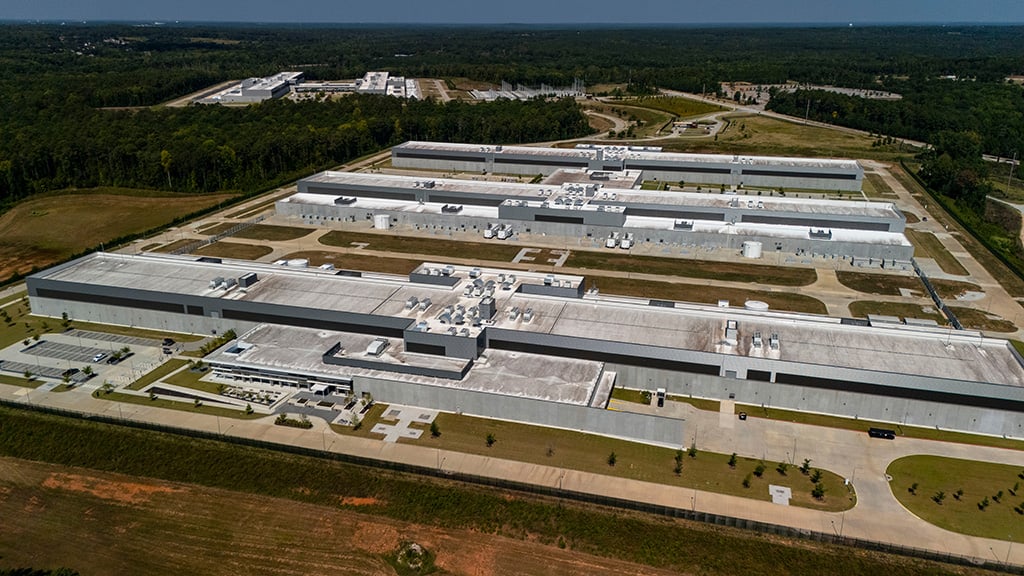
Usually, utilities spread the cost of upgrades over everyone’s monthly bill. If a development company builds something that requires a new substation or upgrades to transmission lines, that expense often trickles down to the regular residential ratepayer over time. This bill stops that trickling. It forces the data centers—those massive warehouses filled with racks of servers running AI models—to pay for their own share of the transmission infrastructure.
This isn’t just some theoretical policy debate happening in a vacuum. Look at the numbers: 417 votes in favor. That is an overwhelming landslide that suggests the voting public is watching this closely. Politicians tend to want to get things done before midterm elections, and addressing electricity costs is exactly the kind of issue that gets people upset at the ballot box.
The mechanics of the vote
The legislation gives state utility regulators the authority to set a new standard. Instead of the utility asking the commission to raise rates to pay for new infrastructure, the commission would look at who is actually using that new power.
If a data center wants to draw 50 megawatts of new power from the grid, the utility tells them that to get connected, they have to pay for the new transmission line routing 50 miles from the nearest substation. It puts the financial responsibility squarely on the company. Supporters call it a “modest first step,” but for a ratepayer in Bentonville or a farmer relying on electric pumps in rural areas, it feels like a necessary catch-up move.
A national shift
This kind of regulation is standard in major metros, but it’s an evolution we’re seeing play out in smaller towns too. Think about what it costs New York City or San Jose to connect a new AI facility to the grid—those costs are absorbed
Source: Fayetteville Flyer