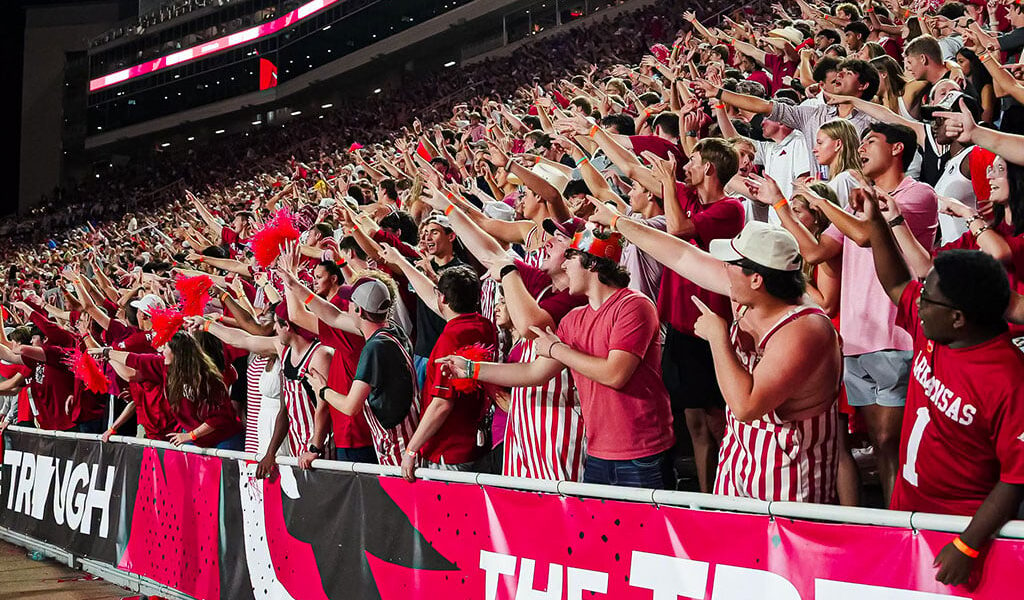
The Arkansas Razorbacks took a step forward with a 34-6 win over Tulsa last Saturday, but the path ahead won’t be an easy one for Ryan Silverfield in his first season as head coach. The Hogs still struggled to find their footing after heavy losses to Utah and Georgia, and the lingering challenges from the NCAA’s evolving name, image, and likeness (NIL) rules continue to cast a long shadow over rebuilding efforts.
After consecutive thumpings—a 43-10 defeat at Utah and a 45-17 drubbing at home from Georgia—this victory might feel like a reprieve for Razorback fans. But the way the team got there showed signs of ongoing growing pains. Arkansas piled up four field goals against Tulsa rather than converting more touchdowns, and the running game remained all but nonexistent.
While Silverfield’s Razorbacks didn’t hit a home run last weekend, the win suggests incremental progress is still possible. “Incremental improvement might not be the quickest or most satisfactory way out,” but it’s often the most consistent, as Arkansas Athletics pointed out.
The recent history of Razorbacks football holds few easy wins; the team has been navigating the disruption NIL has caused. Last fall, when Silverfield took the helm, it was already clear that a quick turnaround was unlikely. NIL opportunities have caused ripple effects around recruiting and team culture, creating a complex environment for any coach to spearhead a rebuild.
With fans eyeing Razorback Stadium from Dickson Street to the Heights neighborhoods, patience might be in short supply. But this weekend’s win at least illustrates a foundation to build on, even if the offense needs to find more reliable footing in the trenches.
Looking ahead, Silverfield will need to continue coaxing better performances from both the offensive line and running backs. The passing game showed some sparks, but the ground attack’s struggles remain a glaring hole. As kicker Caleb Song finishes four-for-four on field goals, it’s clear Arkansas is relying heavily on three-yard digs rather than explosive plays.
Industry observers and local fans alike recognize the uphill struggle. Still, the hope is that the Razorbacks can take these small victories and build into something more competitive with programs that typically dominate the SEC.
This season’s challenges have already been felt in Fayetteville and beyond, with ticket sales at War Memorial Stadium showing some fluctuation. The Razorbacks are one of Benton County’s largest sports draws, and how they perform impacts the local economy—from food vendors on Maple Street to the gear shops downtown that sell Hog memorabilia.
Beyond the results on the field, Silverfield’s leadership is being measured closely. His ability to navigate NIL’s shifting terrain, manage player development, and foster team cohesion will be critical factors determining if Arkansas can stop its recent freefall.
While the Tulsa win might not change expectations in the short term, it offers some breathing room. Hog fans will want to see a more consistent offense, especially on the ground, as they prepare for tougher runs into SEC competition.
For now, Silverfield and his staff remain under the microscope, tasked with turning Arkansas into a contender again in a landscape where every program is adapting to new recruiting realities. If the Razorbacks can keep the improvements coming, even at a slower pace, the future could look less daunting.
That first victory in Fayetteville this season might not be pretty, but it’s a start worth noting for a coaching staff still finding its rhythm amid plenty of hurdles.
Source: Fayetteville Flyer