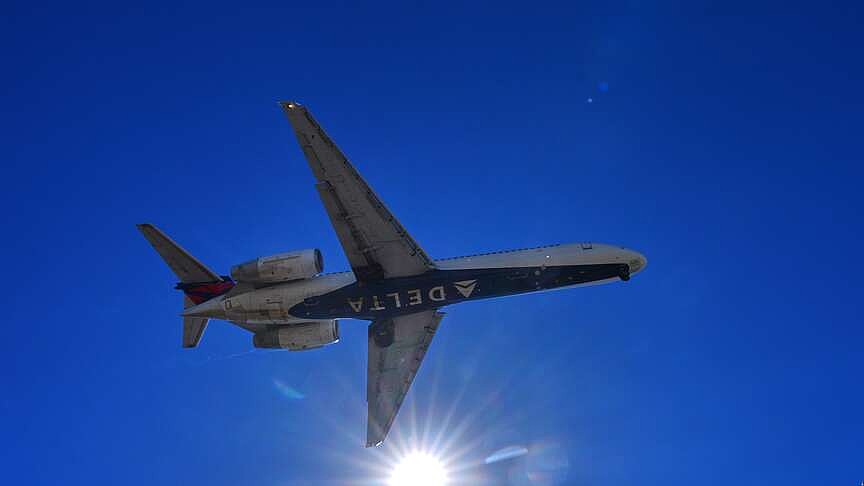
The U.S. Federal Trade Commission issued sweeping orders Wednesday to a roster of major corporate giants, demanding they disclose exactly how they use consumer data to set prices. Walmart, Delta Air Lines, and Target are among the firms ordered to hand over internal documents detailing their pricing algorithms, while ride-sharing and delivery companies like Uber and DoorDash face scrutiny over how they use driver data to determine compensation. Chairman of the FTC Andrew Ferguson said in a statement that the commission is investigating the “opaque methodology” some companies use to decide how much individuals pay for goods and services, or conversely, how much gig workers are paid. The orders, which are part of a broader probe into behavioral pricing, specifically ask the companies to document whether prices fluctuate based on user history, device location, or other personal data points. This isn’t just about the price of milk at your local grocery store on Obama Drive or Rogers Ave.; it cuts to the core of how the modern digital economy operates in Bentonville and across the region. After years of consumers shouting into the void about price discrimination—seeing one price on a flight or a hotel room while a spouse or friend sees another—this federal move puts big business on the spot. A Delta jet comes in for landing at Dallas Love Field Airport Monday, Oct. 5, 2026, in Dallas. (AP Photo/LM Otero) “We intend to scrutinize the opaque methodology that some companies in these industries may be using to determine how much consumers pay or how much gig workers are paid for the same product or service,” Ferguson stated. The investigation reaches deep into the gig economy. FTC officials are particularly interested in how platforms like Lyft, Instacart, and DoorDash use the personal data of their independent contractors to set pay rates. For anyone who has driven for Uber or delivered food in Northwest Arkansas,
Source: NWA Democrat Gazette