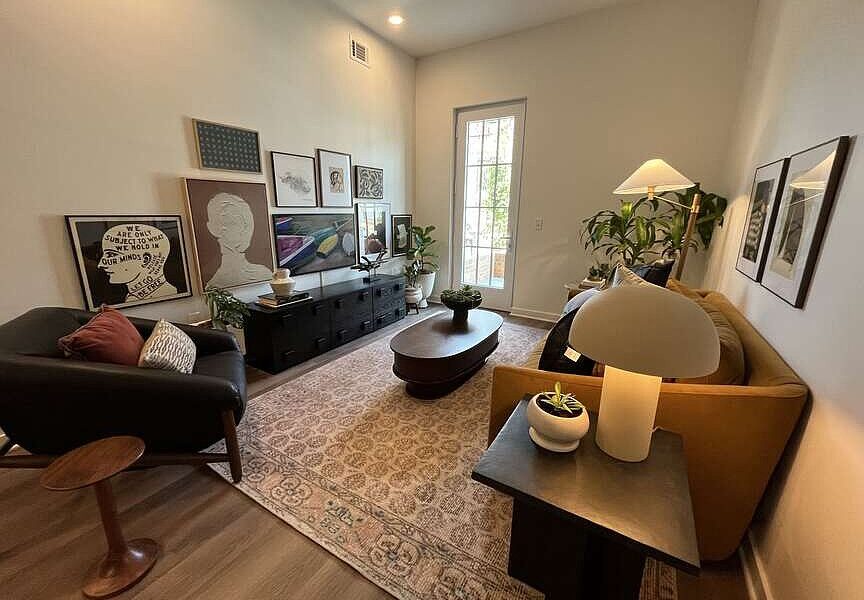
Drake Farms, a newly developed 165-acre community in Fayetteville, opened its first 36 multifamily apartment residences Tuesday, marking the initial phase of what is being promoted as “Fayetteville’s next great neighborhood.”
The debut of these apartments is part of a larger vision for the site, designed to offer a mixed-use environment with residential options, green spaces, and neighborhood amenities. Although the development is in its early stages, the opening signals a significant addition to Fayetteville’s housing inventory amid ongoing demand for rental properties.
Located on the city’s east side, Drake Farms represents one of Fayetteville’s larger-scale residential projects recently undertaken. The multifamily units include one-bedroom apartments that blend modern living with accessibility to nearby commercial and recreational areas. This initial rollout of 36 units is a fraction of the overall planned residences—projections call for hundreds more as the project expands.
Fayetteville has experienced steady population growth over the past decade, a trend that has increased demand for diversified housing options. City planners have emphasized the importance of developments that balance density with quality-of-life features such as walkable streets and public green spaces. According to Arkansas demographic data, Fayetteville’s residential growth rate edged above the state average, prompting greater interest from developers.
The Drake Farms community is expected to contribute not only housing but also economic activity during its build-out and after. Construction efforts have generated jobs locally, and once fully occupied, the neighborhood is poised to support retail and service businesses in the surrounding corridor.
Local real estate experts note that projects like Drake Farms align with Fayetteville’s broader strategic objectives to increase housing stock without concentrating exclusively on single-family detached homes. Multifamily developments have increasingly become part of the city’s approach to addressing both affordability and growth management.
The developers have not released a detailed timeline for subsequent phases, but planning documents indicate the potential for mixed uses beyond residential, including retail and office space. This approach echoes trends in other parts of Northwest Arkansas, where integrated neighborhoods respond to changing lifestyle preferences and commuting patterns.
Fayetteville residents and stakeholders have expressed cautious optimism about new developments like Drake Farms, balancing enthusiasm for increased housing availability with concerns about infrastructure capacity and traffic congestion. City officials continue to review project impacts to ensure alignment with long-term urban planning goals.
The initial opening of Drake Farms marks a concrete step in Fayetteville’s efforts to expand housing options and shape future neighborhood character. As the development progresses, it will serve as a measurable example of the city’s evolving residential landscape amid Northwest Arkansas’s broader economic and demographic shifts.
Source: NWA Democrat Gazette