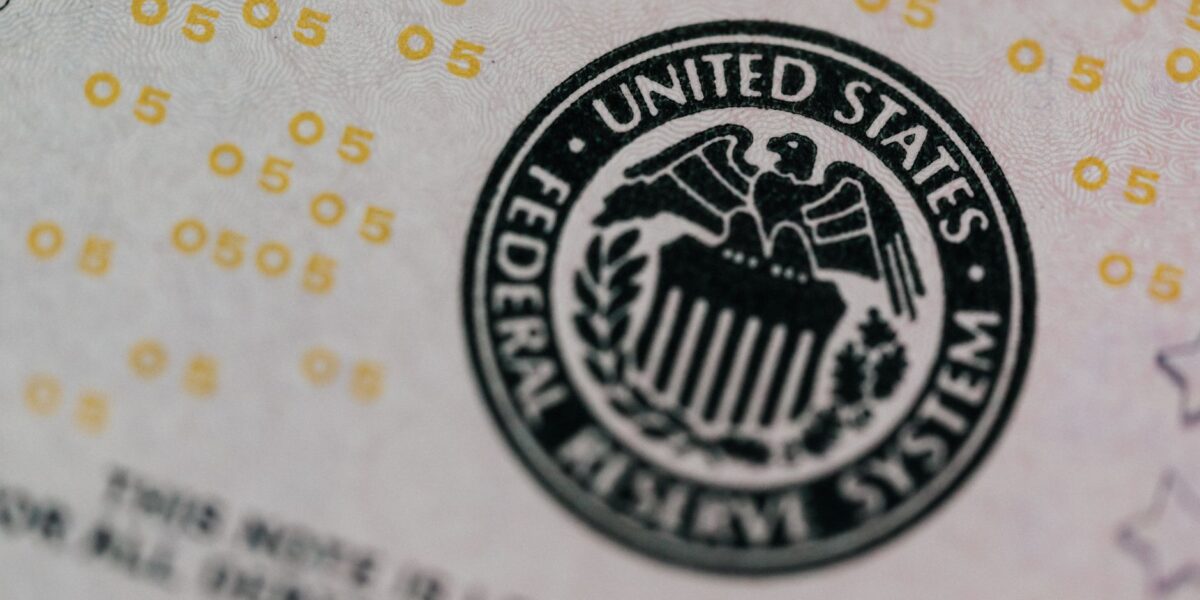
The Federal Reserve’s policymakers recently shifted their outlook, signaling stronger support for raising interest rates after months of cautious guidance. This marks a notable pivot from March, when none of the Federal Open Market Committee members anticipated a hike, and the committee collectively projected a rate cut in 2026.
An updated Federal Reserve summary revealed a majority of policymakers now back raising rates, reflecting concerns about persistent inflation pressures that haven’t eased as quickly as hoped. This change underscores a more hawkish stance amid a growing recognition that price stability remains an uphill battle.
Roger Warsh, a Federal Reserve official, has been dialing back some of the forward guidance that previously suggested a more patient approach. His cautious recalibration signals the Fed may prioritize flexibility over rigid projections as economic conditions evolve.
For Northwest Arkansas families and businesses, this shift in Fed sentiment could have meaningful implications. Interest rate hikes often make borrowing costlier, impacting everything from mortgage payments to business loans. In a region like Benton County, where housing growth and small business expansion are accelerating, higher loan costs could tighten financial flexibility for buyers and entrepreneurs alike.
Still, raising rates is the Fed’s tool to slow inflation, which affects everyday expenses such as groceries, gas, and services. If successful, these hikes could cool price increases that have squeezed household budgets nationwide. While that balancing act is tricky, policymakers are signaling readiness to tighten further if inflation sticks around.
Looking back, the Fed’s March projections were far more optimistic. The entire committee then expected rates to largely stay put or even decline by 2026, reflecting hopes that inflation would moderate on its own. Fast forward a few months, and the landscape has shifted amid stubborn price gains and tight labor markets.
In Northwest Arkansas, where the cost of living has climbed with the region’s rapid population growth, these national financial moves have a more tangible impact. Homebuyers who faced relatively low mortgage rates only last year are now contending with increases that could add hundreds to monthly payments. Local businesses weighing expansion or equipment investment may reexamine their timing or budgets as loan pricing shifts.
Compared to major cities like New York or San Francisco, where cost inflation and real estate prices are sky-high, the adjustments in NWA might feel more manageable but still noticeable. It’s a reminder that Federal Reserve decisions ripple through communities of all sizes.
Policymakers’ readiness to push rates higher also reflects a reassessment of inflation risks beyond headline consumer prices. Factors such as wage gains and supply chain constraints feed into ongoing price pressures. The Fed seems to be signaling that it won’t hesitate to act if the data suggest inflation is entrenched.
For local investors and businesses, this evolving monetary environment means paying close attention to the Fed’s communications and economic indicators. The recent recalibration in Fed guidance led by Warsh underscores how quickly market conditions and central bank strategies can change — even within a few months.
While no one can predict exactly how many hikes or when they might come, the message is clear: battling inflation remains a priority, and the Federal Reserve is prepared to tighten further if needed. Northwest Arkansas residents will want to consider this context as they make financial decisions in the months ahead, from home purchases to business investments.
Source: Arkansas Business