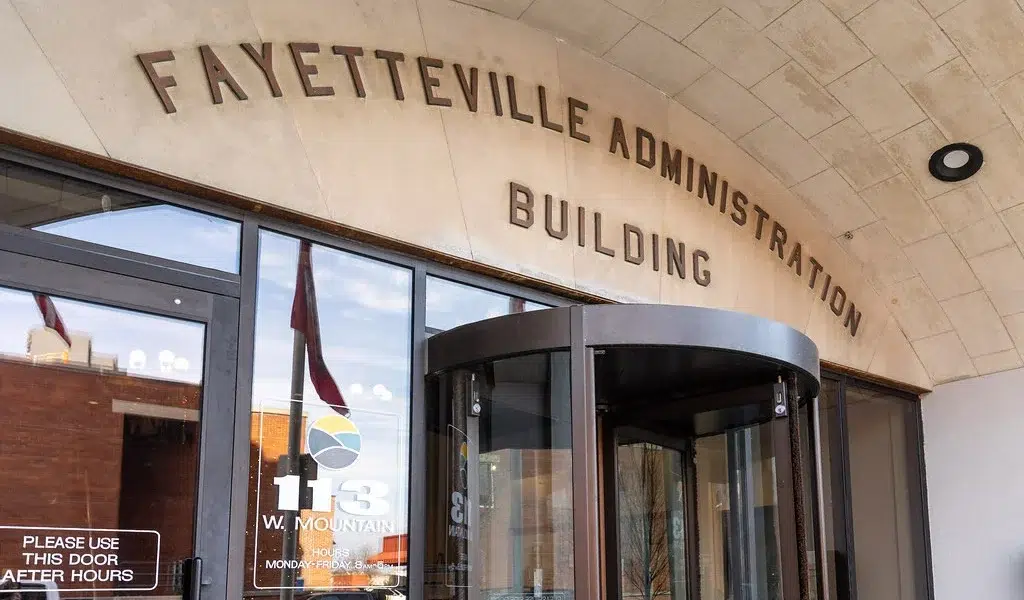
The Fayetteville City Council will consider an ordinance to prohibit the use of city funds for automatic license plate reader (ALPR) systems, often known as Flock cameras, at its next meeting. Council member Bob Stafford, who is sponsoring the proposal, said the move is a preemptive step to prevent the city from deploying or purchasing the technology until clear safeguards are established.
Currently, Fayetteville Police do not use ALPR systems. These cameras automatically scan and record license plates from passing vehicles, raising concerns about mass surveillance and potential violations of the Fourth Amendment, which protects against unreasonable search and seizure.
ALPRs have spurred heated debates nationwide. Cities in major metropolitan areas like Chicago and Los Angeles have grappled with balancing law enforcement benefits against privacy rights, sometimes delaying or rejecting their adoption due to public pushback. Honest talk — Fayetteville taking a cautious approach before jumping into this kind of surveillance tech is a wise move. It’s an important conversation for a city growing as fast as this one.
Stafford framed the ordinance as a responsible step to ensure any future use of ALPRs comes with comprehensive policies protecting citizens’ privacy. He stressed the importance of transparency and community input before the city invests in or implements technologies that track residents’ daily movements without clear oversight.
The concerns are not just theoretical. Critics argue ALPR cameras can create widespread data collection on residents and visitors alike, often storing and sharing license plate data for months or longer. This can lead to unintended consequences when data is accessed improperly or used beyond its original law enforcement purpose.
While Fayetteville’s police department doesn’t currently deploy these systems, ALPRs have become common tools in other Arkansas cities and agencies. The technology aids in recovering stolen vehicles, identifying wanted suspects, and enforcing parking restrictions. But the unregulated nature of how plate data is collected and shared remains a sticking point.
Fayetteville residents shouldn’t overlook how much this matters locally. In a city where population growth is fast, and community trust with law enforcement is vital, introducing surveillance hardware without clear rules risks eroding the relationship between police and the people they serve.
In contrast, imagine the alternative—if Fayetteville followed the example of cities with weak regulations on ALPR use, residents would see cameras scanning license plates everywhere, fueling privacy concerns and potentially chilling everyday activities. That could make Fayetteville feel less like a welcoming community and more like a tech-monitored urban sprawl.
The Fayetteville City Council’s willingness to address this head-on is a sign that even in matters of public safety, local policymakers recognize the importance of safeguarding civil liberties. This debate ties into broader discussions on surveillance and privacy across Northwest Arkansas and beyond.
Ultimately, the ordinance will give the council a chance to pause and set the stage for balanced policy. It’s a chance to make sure Fayetteville’s use of modern technology aligns with the values residents expect from their city government: transparency, caution, and respect for constitutional rights.
As this issue moves forward, expect community voices and expert opinions to play a key role in shaping how Fayetteville handles ALPR technology. It’s not just about what the city can do with this tracking tool; it’s about what kind of city Fayetteville wants to be in the years ahead.
Source: Fayetteville Flyer