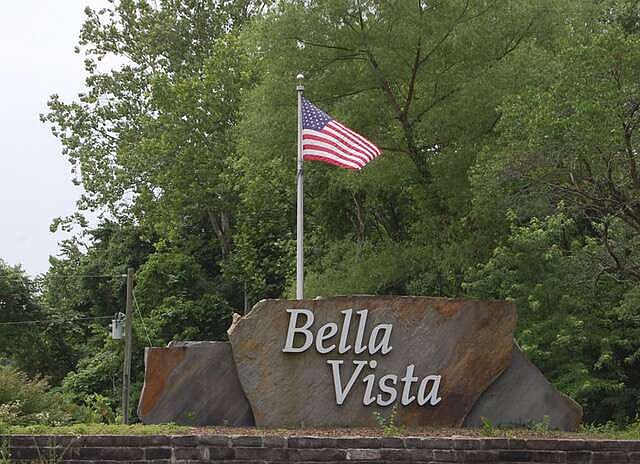
The Bella Vista City Council is drafting an ordinance that would require council approval before the city can acquire or activate automated license plate readers (ALPRs) or any facial recognition and identification systems. The move aims to address growing concerns over privacy and constitutional rights linked to such surveillance technologies.
Councilwoman Shea Newport introduced the ordinance during the September 28 meeting, emphasizing the rapid evolution of artificial intelligence technology as a complication for regulators. “This was the best way to protect myself and the citizens against such unpopular, and in my opinion, unconstitutional systems,” Newport said.
The proposed ordinance specifies that no automated license plate reader system or facial recognition technology can be obtained or put into operation in Bella Vista without prior city council consent. This shifts decision-making from city administration to the elected council, providing an additional layer of oversight to balance surveillance capabilities with community privacy concerns.
Automated license plate readers are solar-powered cameras that capture still images of vehicle license plates and collect descriptive information such as make, model, color, and unique identifiers like roof racks or bumper stickers. These images and associated data are uploaded to searchable databases, which can be used for law enforcement investigations and vehicle tracking.
Similar systems used by other municipalities have sparked public debate. In neighboring communities, the introduction of ALPRs, including systems like Flock Safety, has prompted controversy over data retention, user access, and potential civil liberties infringements. Residents and advocacy groups have expressed unease about the scope of monitoring and the possibilities for misuse or overreach by government entities.
Bella Vista’s councilors are navigating this backdrop while seeking to clarify boundaries around technology deployment that could affect residents’ day-to-day privacy. Newport’s ordinance is a preemptive measure designed to ensure democratic oversight remains intact as artificial intelligence and surveillance tools evolve rapidly.
The council has not yet scheduled a formal vote on the ordinance, and details remain subject to refinement. However, the proposal reflects an increasing local scrutiny of surveillance technology in the context of broader regional discussions. Bentonville, Fayetteville, and other municipalities in Northwest Arkansas have been cautious about adopting similar systems, often weighing public feedback and legal standards carefully.
At the heart of the issue is the balance between public safety and personal privacy. Proponents of ALPRs argue these systems aid in crime prevention and vehicle recovery, while critics warn they pose risks of pervasive surveillance and data misuse. National privacy organizations and legal experts have highlighted potential constitutional challenges related to warrantless tracking and unauthorized access to sensitive information.
In Bella Vista, the council’s approach appears to prioritize community input and legislative deliberation before committing resources or authorizing use of such monitoring technology. This contrasts with more administrative-driven adoption models seen elsewhere and signals growing caution at the local government level.
The ordinance also touches on facial recognition and identification systems, which have drawn intense scrutiny nationwide due to questions around accuracy, bias, and the potential for wrongful identification leading to civil rights violations.
For residents of Bella Vista and surrounding parts of Benton County, the council’s actions may influence future law enforcement strategies and raise awareness about the intersection of technology and privacy in everyday life. Citizens concerned about surveillance technologies have the opportunity to engage with their city council representatives as discussions continue.
This development follows similar conversations in Northwest Arkansas related to the use of artificial intelligence in government functions. Public forums and council meetings have increasingly addressed how to regulate emerging technologies fairly while protecting community standards and legal rights.
Source: NWA Democrat Gazette