The Beaver Watershed Alliance is marking a key milestone while pushing ahead with a clear focus on protecting Beaver Lake by working on the land that drains into it. Stephanie Bolin, the alliance’s outreach coordinator, says their approach goes beyond the lake itself, emphasizing the broader watershed’s health to ensure clean water for communities across Northwest Arkansas.
Beaver Lake is a crucial water source for more than half a million people living in Northwest Arkansas and the surrounding region. The alliance targets the 1,600-square-mile watershed area extending well beyond the lake’s shores, including streams, rivers, and lands that directly impact water quality. Bolin stresses that the condition of these upstream areas dictates the lake’s health and safety for drinking water, recreation, and wildlife.
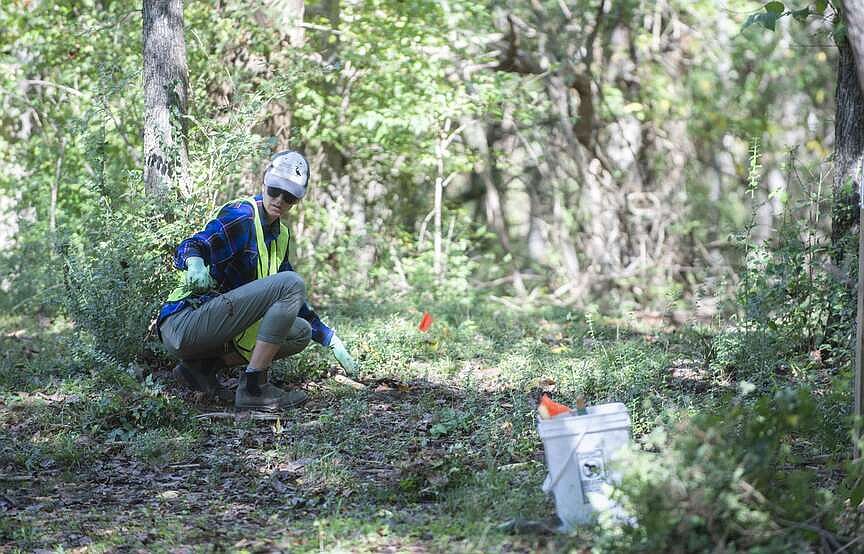
According to Bolin, the alliance’s ongoing projects highlight invasive species removal, land conservation, and improving stormwater management across urban and rural parts of the watershed. One notable example is their collaboration with local governments and community volunteers to remove invasive plants in Fayetteville’s Walker Park back in October 2025. Actions like this limit the spread of species that harm native plants and degrade water quality by disrupting natural habitats and increasing erosion.
Beaver Watershed Alliance organizes a wide range of events and volunteer opportunities, bringing together residents eager to protect their environment. Their annual Friendraiser event, set for September 17, aims to bolster community ties and secure funding for ongoing conservation efforts. This kind of local commitment is invaluable, especially given the pressures of growth in NWA, where increased development threatens natural filtration systems vital to the watershed.
Bolin paints a vivid image of how urban growth and land use have an outsized impact on water quality, pointing out that every construction site, farm field, and neighborhood development can introduce pollutants into the watershed. “It’s not just about keeping the lake clean itself — it’s about the entire network of rivers and streams feeding it,” she explains.
The alliance works with private landowners, farmers, and municipal partners to promote practices that reduce runoff and protect soil. They advocate for riparian buffers—strips of natural vegetation alongside waterways—that act as filters for nutrients and sediments before they reach water bodies. “Maintaining these natural buffers can be the difference between clean water and costly treatment later on,” Bolin says.
Beaver Watershed Alliance’s strategies also include public education, outreach, and providing technical assistance to local stakeholders. Their recent efforts include distributing informational materials about reducing fertilizer use and improving septic system maintenance. Bolin highlights that the alliance’s long-term vision is rooted in practical solutions everyone can access, no matter if they’re city residents or country landowners.
There’s something remarkable about the alliance’s grassroots-driven approach, especially in a region growing as rapidly as Bentonville, Rogers, and Fayetteville. Protecting a large resource like Beaver Lake would start to look like a multi-million-dollar project in a larger metro area, but here, the work is powered by dedicated locals who understand that the lake’s health is tied to their own backyards and communities.
In a time when many conservation efforts struggle to connect with urban populations, Beaver Watershed Alliance manages to keep diverse groups involved and invested. Volunteer days, cleanup events, and tackling invasive species have created a rhythm of engagement that benefits habitat and water quality alike.
Looking ahead, the alliance anticipates that climate change and continued development will bring new challenges to water management. However, their model—focused on collaboration, education, and on-the-ground action—provides a sturdy foundation to adapt and respond efficiently.
For people living in Northwest Arkansas, this means the water flowing through their taps and used in local parks stays pure and safe without straining public resources. In regions where water protection is a massive, expensive endeavor, it’s honestly inspiring to see what a focused community effort can achieve here.
As the Beaver Watershed Alliance acknowledges its milestone, it also delivers a simple, important message: safeguarding water means working where the water begins. That’s in the woods, fields, streams, and neighborhoods upstream—places many might overlook but where the future of NWA’s water really starts.
Source: NWA Democrat Gazette