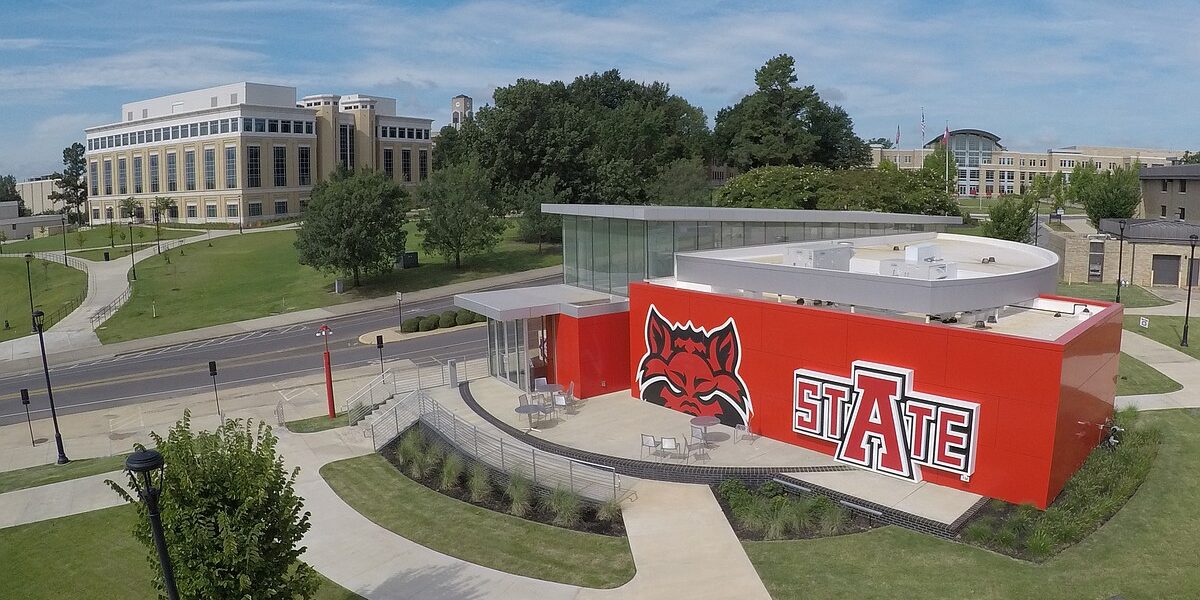
Arkansas State University’s College of Veterinary Medicine has received its letter of “reasonable assurance” from the American Veterinary Medical Association’s Council on Education, marking a significant milestone for higher education in the state. This approval allows the college to start recruiting students for Arkansas’s first veterinary school, with the inaugural class set to begin this fall.
This development positions Arkansas State University in Jonesboro as a pivotal player in veterinary education, addressing a critical need in the region. As the first institution in the state to offer a veterinary degree, it aims to fill the gap in veterinary services, especially in rural areas where access to such services is often limited. The college will serve as a vital resource for aspiring veterinarians, contributing to the state’s agricultural and animal husbandry sectors.
The establishment of this veterinary school comes at a time when the demand for veterinary services is increasing. According to the U.S. Bureau of Labor Statistics, employment of veterinarians is projected to grow 16% from 2019 to 2029, much faster than the average for all occupations. This growth is driven by the need for veterinary care in livestock production and the increasing number of households with pets.
In addition to filling a crucial need, the new vet school is expected to have a significant economic impact across the state. By training future veterinarians locally, Arkansas State University will likely retain more graduates within the state, contributing to the local economy and supporting rural communities that rely heavily on agricultural businesses. This aligns with efforts by regional organizations, such as the Northwest Arkansas commission’s study on improving infrastructure and tourism, to strengthen local economies and retain talent.
The College of Veterinary Medicine’s program will offer students comprehensive training in various fields, including small and large animal medicine, public health, and research. This diverse curriculum is designed to equip graduates with the skills needed to address the multifaceted challenges of modern veterinary practice. Furthermore, the program will also emphasize community service, encouraging students to engage with local farms and animal shelters, thereby fostering a sense of social responsibility.
The news of the vet school opening has been met with enthusiasm from both prospective students and the broader agricultural community. By creating opportunities for students who wish to pursue a career in veterinary medicine without leaving the state, Arkansas State University is set to play a key role in shaping the future of animal health care in Arkansas.
Source: NWA Democrat Gazette