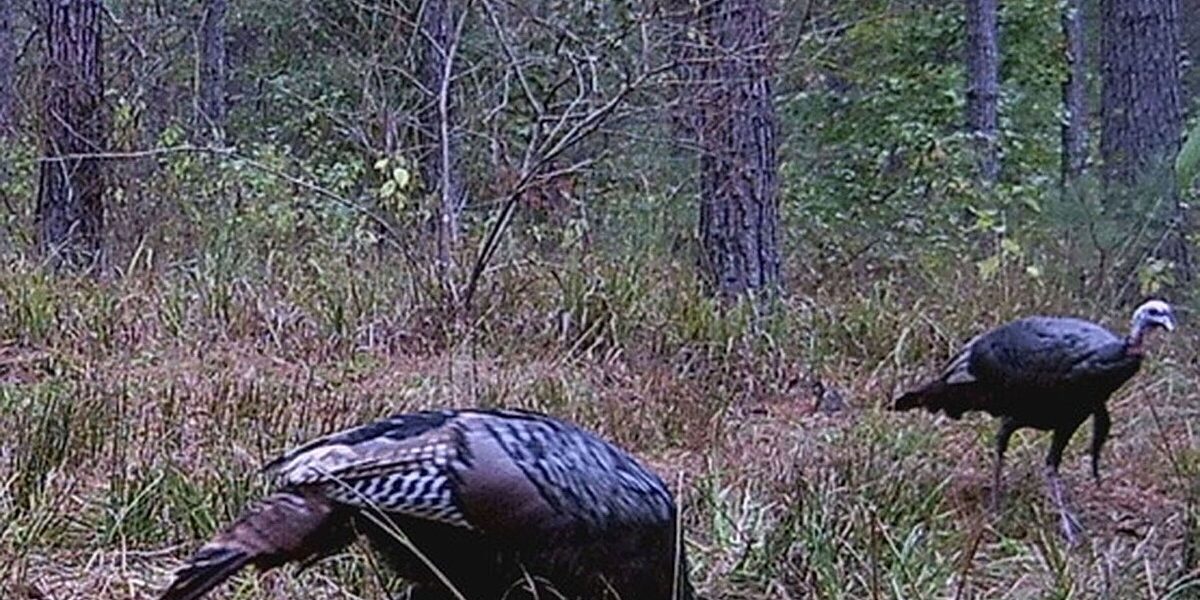
Picture this: your family gathered on a Saturday morning, the kids eagerly spotting wild turkeys making their way through your backyard. It may sound like a scene from a nature documentary, but with the right habitat improvements, it could be part of your weekend in Northwest Arkansas.
Creating a turkey-friendly environment doesn’t happen by accident. According to Doug Little, Eastern Director of Conservation Operations for the National Wild Turkey Federation, the secret is a balanced mix of native grasses, forbs, and legumes. These not only provide food but also crucial brood-rearing habitat, ensuring turkeys stay on your property year-round.
What makes this approach truly rewarding is its impact on the broader ecosystem. Little explains that by focusing on habitat that supports the whole food chain, landowners also attract essential pollinators like bees. These pollinators, in turn, draw insects that are vital for young turkey poults, especially during their first two weeks of life when their diet is nearly insect-exclusive.
Hannah Plumpton, an upland game bird biologist from the North Carolina Wildlife Resources Commission, manages one of the Southeast’s thriving turkey populations. Her work underscores the effectiveness of habitat management, as she’s seen firsthand how supporting pollinators and insect populations can lead to flourishing turkey communities.
If you’re interested in creating such an environment, it might be worth spending a weekend learning about native plants and how they can fit into your landscape. Consider visiting local nature reserves or parks where experts often host workshops on native plant gardening. In fact, Horseshoe Canyon Ranch in Jasper offers excellent opportunities for families to experience local wildlife and get inspired for their own habitats.
Start small with a section of your yard, planting native grasses and flowers. Engage the kids by turning it into a project—perhaps even a science experiment to track different species of insects that visit. Not only does this create a potential turkey haven, but it also becomes an educational experience for the entire family.
There’s no need for expensive gear or large-scale renovations. Just a bit of time, some native seeds, and a little patience can transform your backyard into a wild turkey paradise. And who knows? By next spring, your family might be identifying the newly hatched poults pecking around your yard.
Source: NWA Democrat Gazette