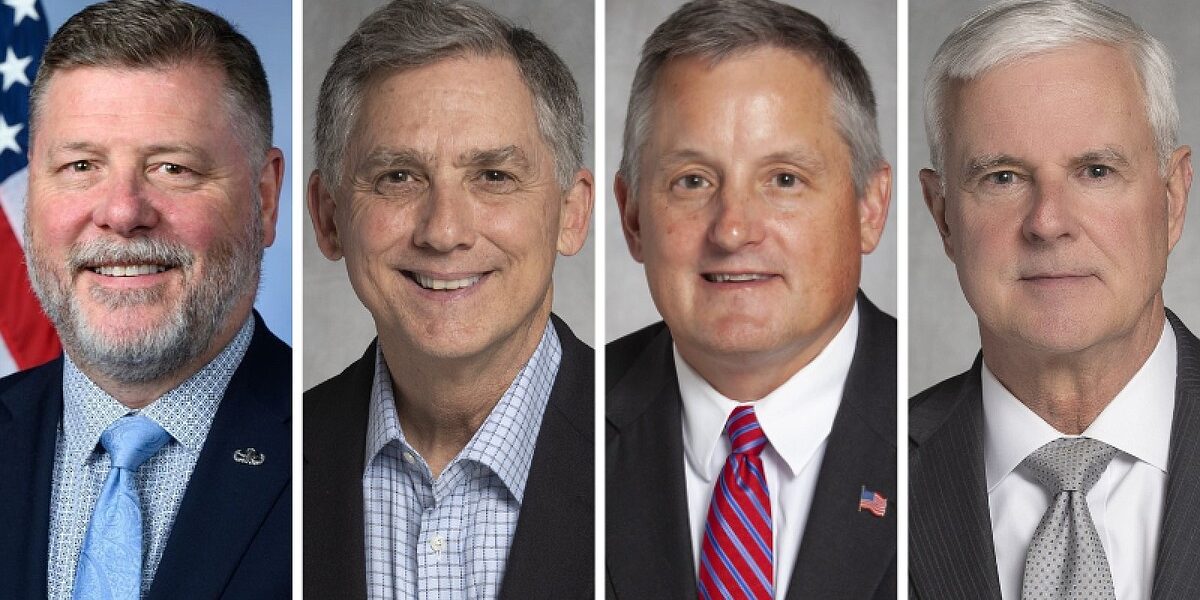
Arkansas’ four incumbent U.S. House members have reported robust fundraising efforts, significantly outpacing their Democratic opponents as they gear up for the November general election. The first quarter figures underscore the financial advantage held by Representatives Rick Crawford, French Hill, Bruce Westerman, and Steve Womack, all Republicans representing Arkansas.
In the first three months of the year, these incumbents have collectively raised substantial amounts, leveraging their established political networks and donor bases to maintain a competitive edge. Representative French Hill, who serves the 2nd Congressional District, reported one of the highest fundraising totals, reflecting his strong connections within central Arkansas, including the capital, Little Rock.
Representative Steve Womack, representing the 3rd Congressional District which includes Northwest Arkansas, also showcased strong financial support. Womack’s district, encompassing key cities like Bentonville and Fayetteville, is a significant economic hub, home to major corporations such as Walmart and Tyson Foods. This economic backdrop provides Womack with a wellspring of financial backing, crucial for maintaining his legislative agenda and campaign activities.
The financial reports also highlight the incumbents’ ability to draw donations from both local and national contributors, emphasizing their established presence and influence within the Republican Party. Their Democratic challengers face a steep uphill battle to match these figures, a fact that shapes the strategic landscape of the upcoming election cycle.
Campaign finance plays a pivotal role in election outcomes, impacting everything from advertising to grassroots organizing. With these strong financial standings, Arkansas’ incumbent representatives are well-positioned to communicate their messages and policies effectively to voters across the state.
As the election approaches, the financial disparity between the incumbents and their challengers will likely continue to be a point of discussion. This development mirrors broader national trends where incumbents often enjoy a fundraising advantage, complicating efforts by challengers to break through.
For those interested in the local impact of political fundraising, it’s essential to consider how these funds influence policy priorities and the broader political discourse in Arkansas. As the financial race continues, the broader implications for both the state and local communities remain a topic worth monitoring.
Source: NWA Democrat Gazette