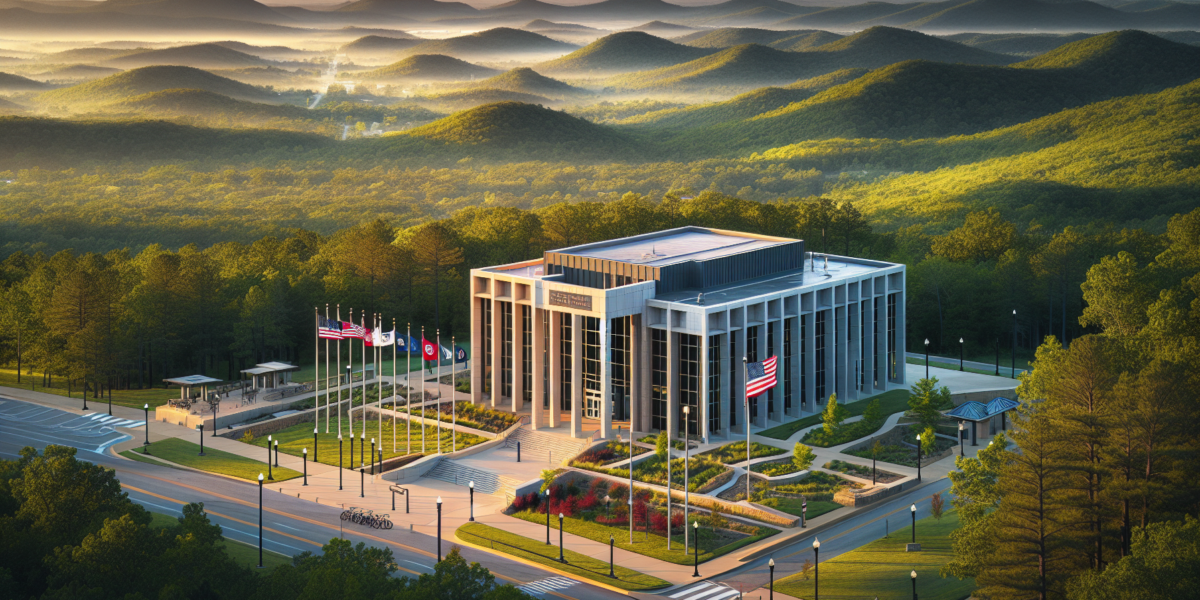
The Arkansas Monument to the Unborn Commission is currently reviewing seven design proposals for a new monument, each with its own unique approach. Among the concepts are a stone and bronze cenotaph and a “living wall” decorated with native trees and flowers. This monument is slated to be erected in the green space west of the Arkansas State Capitol, a location that has stirred its fair share of public discourse.
For those unfamiliar, the Commission was tasked with creating a monument following the 2022 passage of Act 310, which mandates the construction of a memorial honoring the unborn. The Act was signed into law by Governor Asa Hutchinson, sparking conversations both in Little Rock and here in Northwest Arkansas about its implications and the message it sends to the community.
Designs and Deliberations
The proposed designs reflect a range of artistic and philosophical interpretations. The stone and bronze cenotaph is a more traditional approach, evoking a sense of solemnity and permanence. On the other hand, the living wall concept seeks to symbolize growth and life, potentially adorned with local flora that changes with the seasons, echoing the cycles of nature.
This diversity in design is indicative of the broader conversation surrounding the monument. Each proposal will be evaluated not just for its aesthetic appeal, but also for its ability to convey the intended message of sanctity and remembrance.
Community input will likely play a significant role in the decision-making process. As with many state-level decisions, what’s decided in Little Rock inevitably ripples out to the rest of Arkansas, including our own corner in Northwest Arkansas. While the monument itself will reside near the State Capitol, its impact and symbolism will be felt across the state, from the bustling streets of Bentonville to the rolling hills of Fayetteville.
Local Impact and Reactions
As the commission reviews these proposals, community members and local organizations have begun weighing in. Some residents see the monument as a poignant tribute, while others question its necessity and potential implications for public space. The discourse has spread to local forums and social media, with some Northwest Arkansas residents expressing their views on both the design and the underlying message.
While the monument is a state initiative, its effects are felt locally. For many in NWA, this conversation intertwines with broader discussions about state governance and community values. It’s a reminder of how decisions made in the state capital echo into our everyday lives, whether we’re grabbing a coffee at Onyx in Rogers or hiking the trails around Lake Fayetteville.
As the process unfolds, the commission’s decision will likely continue to spark dialogue and debate across Arkansas. Whether the final design leans towards the traditional or the innovative, its presence will be a new chapter in the evolving story of our state.
Source: NWA Democrat Gazette