Before there was a synagogue, there was a social club. In 1864, a group of Jewish residents in Little Rock formed what would become the state’s first organized social club — the Concordia Club — to meet the community’s need for connection and belonging.
Founded by some of the city’s prominent Jewish families, the club served as more than just a place to gather. It offered a space for social events, cultural exchange, and mutual support at a time when Jewish people in Arkansas were still finding their footing. The club’s name, Concordia, comes from the Latin word for harmony — an ideal that guided its mission to foster unity within the community.
The organization was originally called the Little Rock Club, but it soon rebranded to reflect its broader purpose. As the Concordia Club — and later, the Concordia Association — it hosted dances, dinners, and holiday celebrations that brought people together across generations. For decades, it functioned as both a social anchor and an informal support system, especially during times of economic hardship and increasing anti-Semitism in the early 20th century.
“It wasn’t just about having a good time,” said Guy Lancaster, a local historian who has studied early Jewish life in Arkansas. “This was a way for people to maintain their identity and take care of each other in a place where they were still working to be fully accepted.”
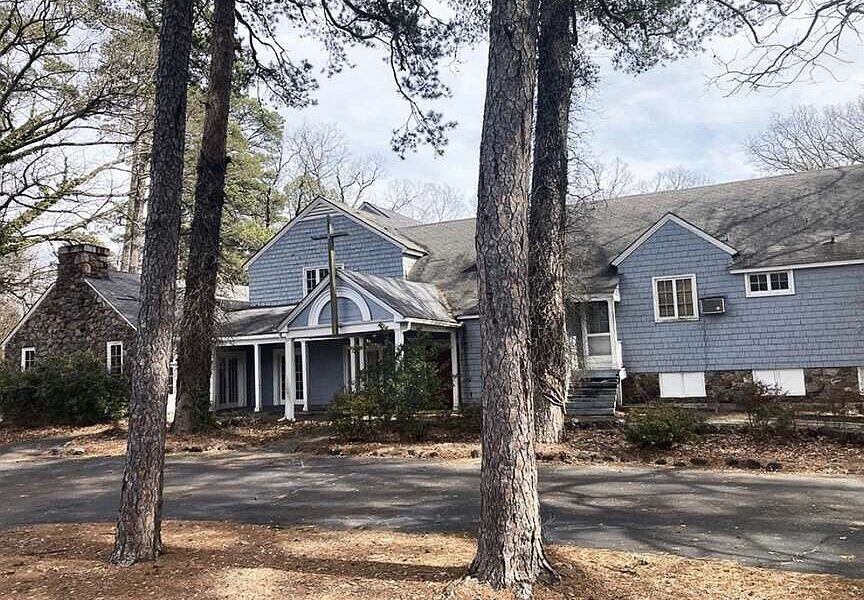
By the late 1930s, the Concordia Club had dissolved, but its legacy lived on. In 1948, members of the Jewish community in Little Rock established the Westridge Country Club, which took over some of the same functions — providing a place for families to gather, celebrate, and support one another. The Westridge Country Club building, located on the campus of Western Hills United Methodist Church, became a new hub for Jewish social life in the city.
Though the Concordia Club no longer exists, its impact is still felt in the tight-knit Jewish community of Central Arkansas. Many of today’s organizations trace their roots back to those early efforts to build connection and community in a new place.
A Model for Community Building
The story of the Concordia Club offers a reminder of how vital social infrastructure is — especially for minority communities navigating unfamiliar territory. In a time before formal religious institutions or large-scale support networks, it was the everyday act of showing up for one another that made the difference.
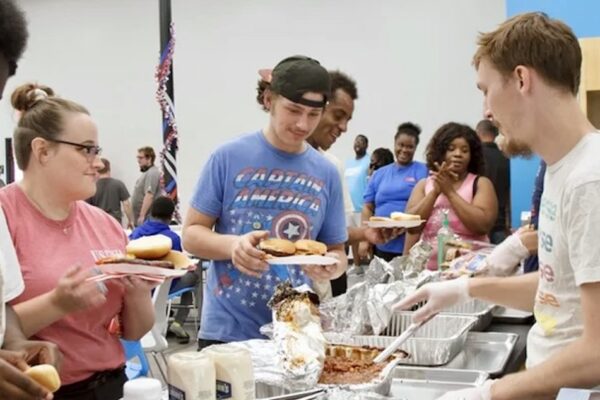
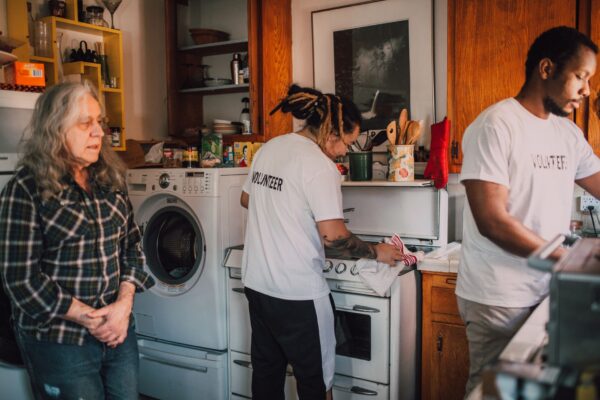
That same spirit is alive today in communities across Northwest Arkansas, where volunteer-driven organizations work to meet neighbors where they are. From food pantries to after-school programs, local groups continue to fill gaps in social support, often with limited resources and lots of heart.
In Bentonville, the Samaritan Community Center operates on a similar principle — offering a space where anyone can find help, community, and care. In Springdale, volunteer-led initiatives like those hosted by Cross Church NWA bring neighbors together to serve local families in need.
Like the Concordia Club, these efforts begin small — with a few people deciding to take action — and grow into something larger. They’re not about recognition or praise, but about making sure no one has to face life’s challenges alone.
If you’re interested in getting involved in community-building work in NWA, there are plenty of ways to start. Whether it’s volunteering at a local center, donating to a grassroots cause, or simply showing up to a neighborhood event, your presence matters.
Source: NWA Democrat Gazette